
Cascade Pass Ski Community
Listings in Snoqualmie Pass, WA
Welcome to Snoqualmie Pass, a small mountain community on Interstate 90 in the Cascade Range, home to The Summit at Snoqualmie and gateway to year-round alpine recreation.
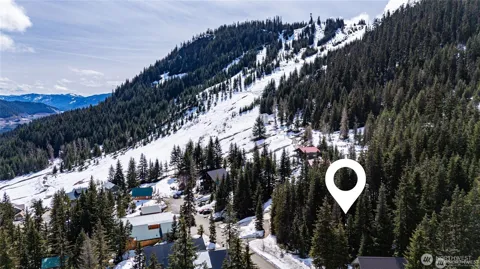
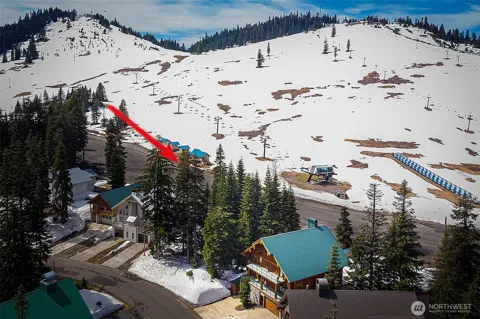
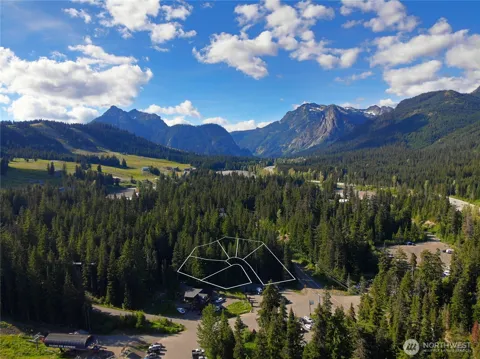
Snoqualmie Pass is a small unincorporated community in the Cascade Range of Washington, located along Interstate 90 about fifty miles east of Seattle. It sits at the crest of Snoqualmie Pass, a low crossing of the Cascades that has served as a travel route for thousands of years, first for Indigenous peoples and later for explorers, settlers, railroads, and motorists. Today the community is best known as the home of The Summit at Snoqualmie, a four-area ski and recreation complex operated by Boyne Resorts that offers alpine skiing, snowboarding, Nordic skiing, mountain biking, winter tubing, and scenic lift rides. The Summit's proximity to the Seattle metropolitan area makes it one of the region's most accessible ski destinations. Beyond the resort, the surrounding national forest lands offer extensive hiking, snowshoeing, and backcountry access. The Pacific Crest Trail crosses the pass, and the Palouse to Cascades Trail follows the old railroad grade through the Snoqualmie Tunnel, drawing cyclists and hikers in summer. The community itself consists of lodges, cabins, condominiums, and a small year-round population, with a much larger seasonal population tied to winter recreation. Its location on I-90 keeps Seattle and the Puget Sound region within about an hour's drive, making Snoqualmie Pass both a weekend destination and a base for year-round mountain living. The climate is dramatically different from the nearby lowlands, with heavy winter snowfall supporting a long ski season and cool, forested summers. Residents and visitors value the immediate access to alpine terrain, the forested setting, and the community's position along one of the Northwest's most important mountain corridors. Snoqualmie Pass occupies a unique role in the region, combining a working mountain highway stop with a genuine outdoor recreation community at the doorstep of the Seattle metro area.

Get more information about Snoqualmie Pass
Houses in Snoqualmie Pass, WA

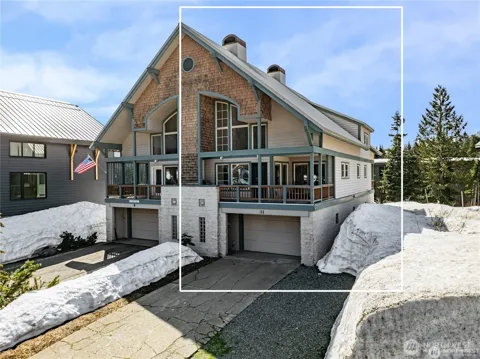
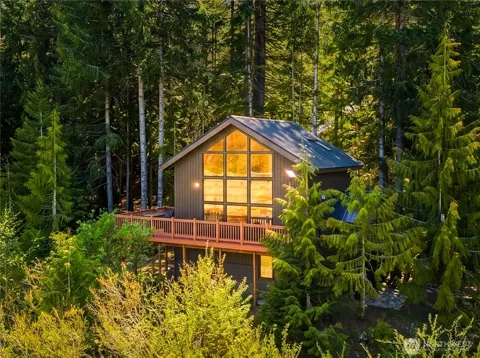
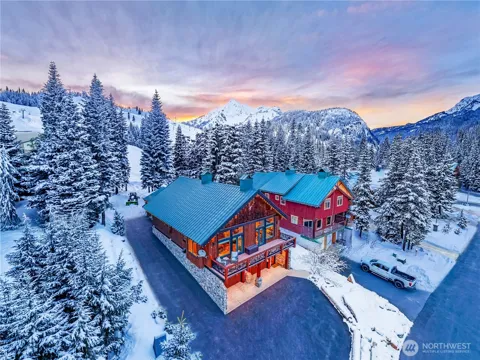
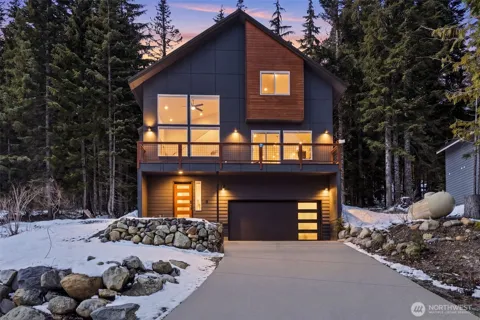
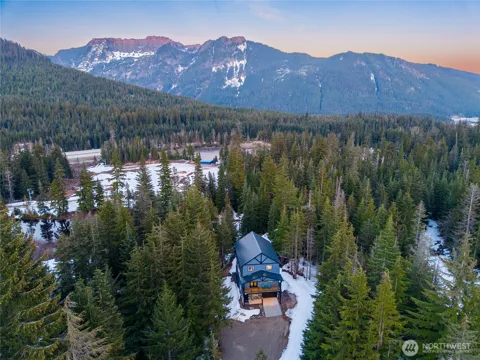
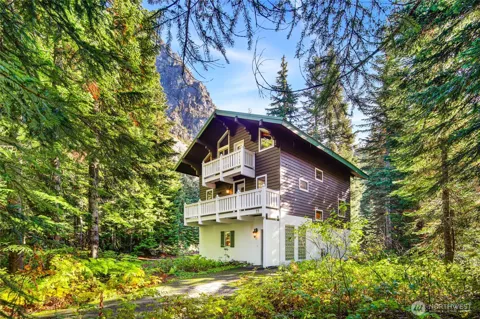
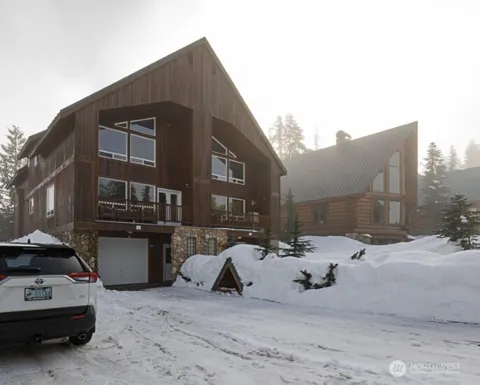
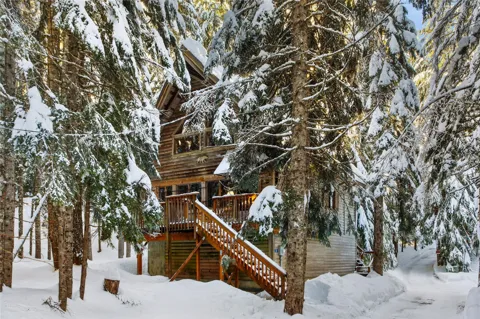
Townhouses & Duplexes in Snoqualmie Pass, WA
Condos & Apartments in Snoqualmie Pass, WA
For Rent in Snoqualmie Pass, WA
Lots & Land in Snoqualmie Pass, WA
MARKET SNAPSHOT
The Market at a Glance
How homes have been selling here over the last 90 days.
Price & Sales History
Market data reflects closed sales over the last 90 days and is provided for informational purposes.
Zip Codes
BROWSE BY ZIP
Browse listings by postal code in this area.
- Grid
- Map
- List
City Guide
About Snoqualmie Pass
Real Estate & Housing
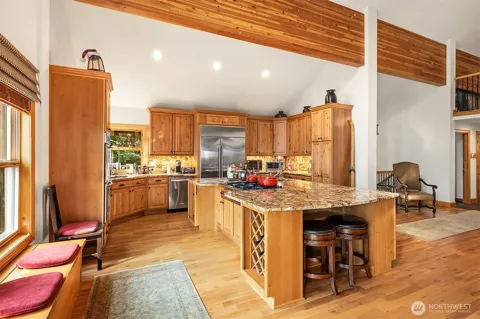
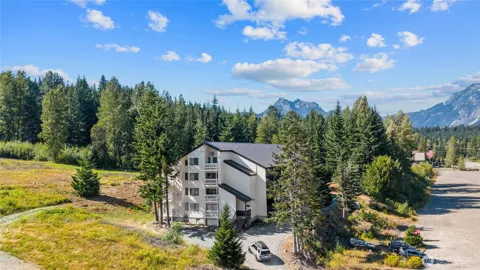
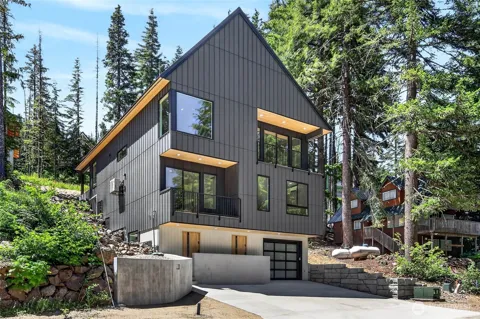
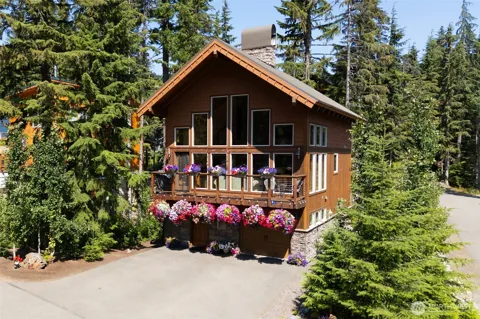
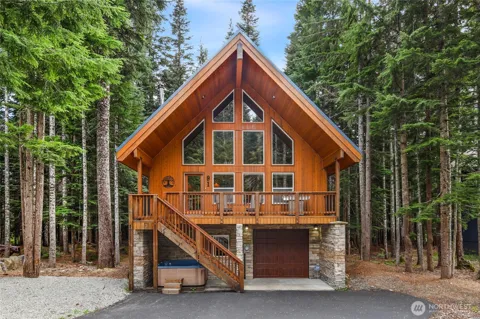
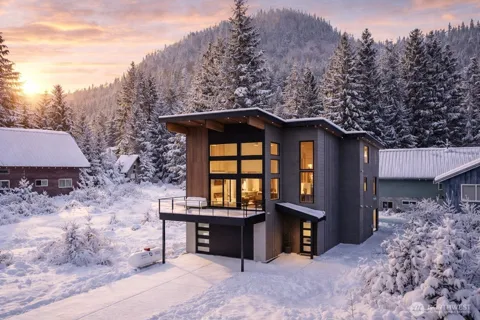
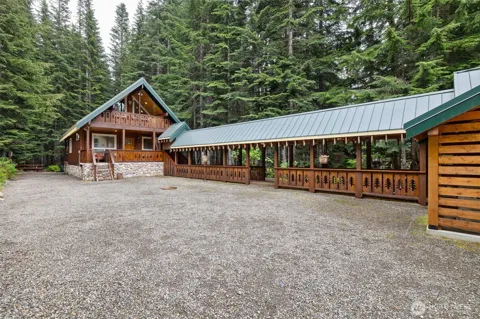
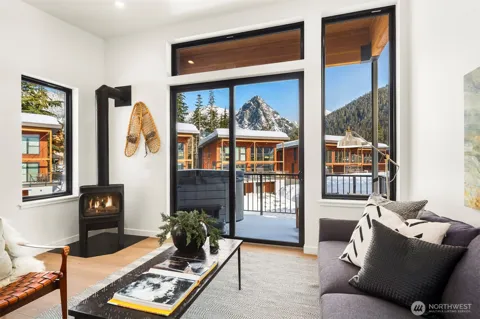
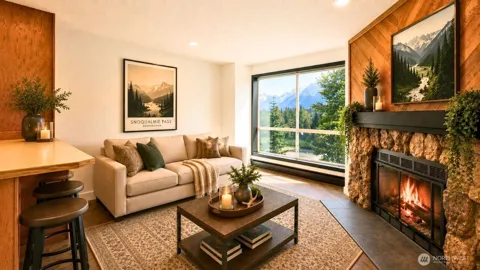
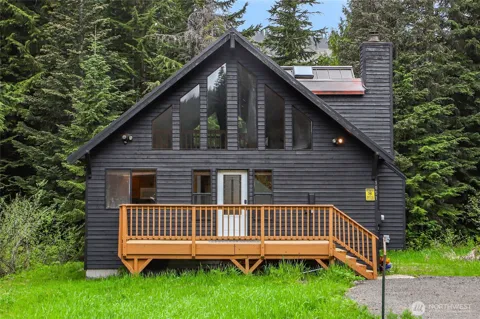
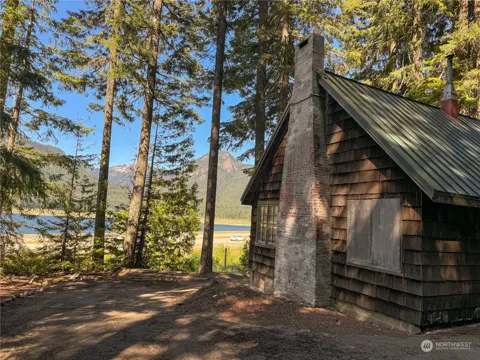
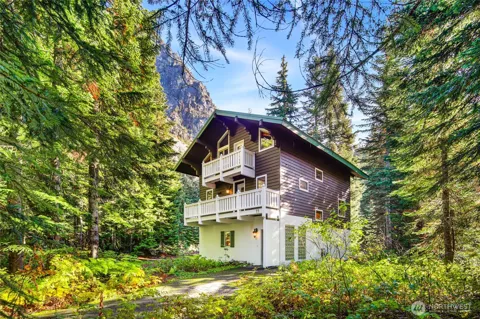
Housing at Snoqualmie Pass consists largely of mountain cabins, chalets, condominiums, and lodge-style homes oriented toward recreation, with many properties used seasonally. The housing stock reflects the community's ski-town character rather than conventional suburban development, and units cluster near the highway and the base areas of The Summit at Snoqualmie. The high-elevation, snow-heavy setting shapes both construction and the rhythm of the local market.
Neighborhoods
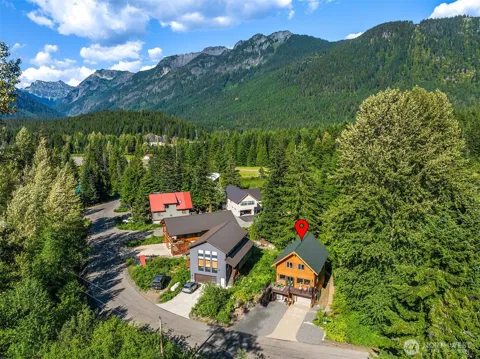
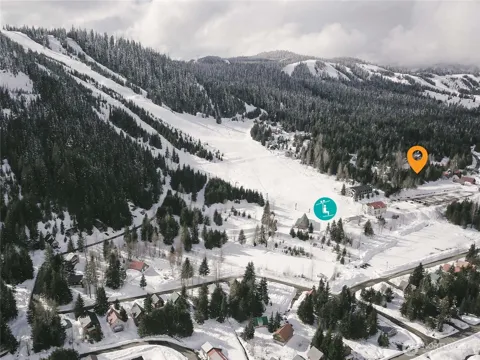
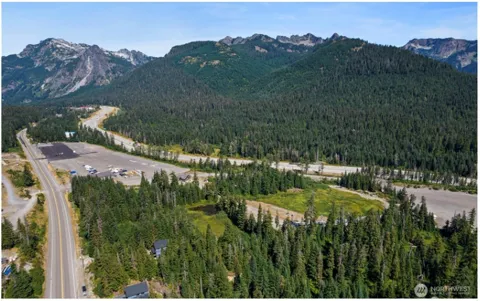
Snoqualmie Pass is a single, compact mountain community organized around Interstate 90 and the base areas of The Summit at Snoqualmie, including Summit West, Summit Central, Summit East, and Alpental. Development lines the highway corridor and the surrounding forest, with lodges, cabins, and condominiums concentrated near the slopes and the village services. The community's small footprint keeps recreation close to every property.
Lifestyle in Snoqualmie Pass
Life at Snoqualmie Pass is built around the mountains. Winter brings skiers and snowboarders to The Summit at Snoqualmie, while summer brings hikers, mountain bikers, and cyclists to the Pacific Crest Trail and the Palouse to Cascades Trail. The community has a casual, recreation-first character, with lodges and a small year-round population supplemented by seasonal visitors. The pace is tied to snow conditions and trail seasons rather than the nine-to-five rhythm of the nearby lowlands.
Schools & Education
Getting Around
Interstate 90 runs directly through Snoqualmie Pass, making it the community's lifeline and one of the most important highway corridors in the Northwest. Seattle is about fifty miles west, and the route continues east toward the Kittitas Valley and central Washington. The pass can see heavy snow and chain requirements in winter, and the highway is maintained year-round. Scenic lift rides and trail shuttles serve recreation visitors in summer.
Parks & Recreation
The Summit at Snoqualmie anchors recreation, with alpine skiing, snowboarding, Nordic skiing, tubing, mountain biking, and scenic lift rides across its Summit West, Summit Central, Summit East, and Alpental areas. The Pacific Crest Trail crosses the pass, and the Palouse to Cascades Trail passes through the Snoqualmie Tunnel. Surrounding national forest land offers hiking, snowshoeing, and backcountry access, making the area a year-round recreation hub.
About Snoqualmie Pass
Frequently asked questions
Where is Snoqualmie Pass?
Snoqualmie Pass is in the Cascade Range of Washington, along Interstate 90 roughly fifty miles east of Seattle, at the crest of the pass that connects the Puget Sound region with central Washington.
What ski resort is at Snoqualmie Pass?
The Summit at Snoqualmie is the ski and recreation area at Snoqualmie Pass, offering alpine skiing, snowboarding, Nordic skiing, mountain biking, tubing, and scenic lift rides across four base areas.
How far is Snoqualmie Pass from Seattle?
Snoqualmie Pass is roughly fifty miles east of Seattle, about an hour's drive along Interstate 90, making it one of the closest major ski areas and mountain recreation hubs to the Seattle metropolitan region.
Does the Pacific Crest Trail go through Snoqualmie Pass?
Yes. The Pacific Crest Trail crosses Snoqualmie Pass, and the Palouse to Cascades Trail follows the old railroad grade through the Snoqualmie Tunnel, a popular summer route for hikers and cyclists.
What is there to do at Snoqualmie Pass in summer?
In summer, Snoqualmie Pass offers hiking on the Pacific Crest Trail, mountain biking at The Summit, cycling through the Snoqualmie Tunnel on the Palouse to Cascades Trail, scenic lift rides, and access to surrounding national forest land.
Still have questions about Snoqualmie Pass?
Get in touchExplore the area
