Snoqualmie Valley Farm Town
Listings in Carnation, WA
Welcome to Carnation, a rural King County city at the confluence of the Snoqualmie and Tolt rivers, home of the historic Carnation Farms and a working agricultural landscape.
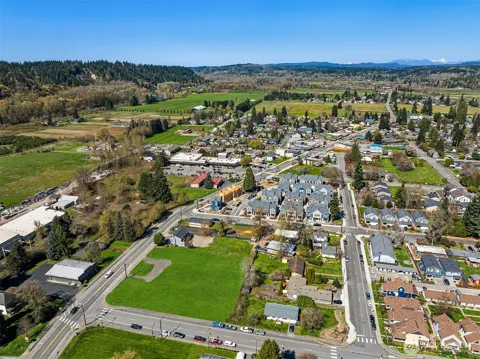
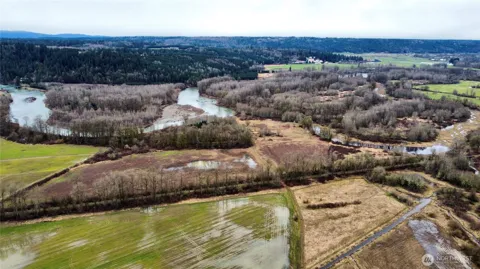
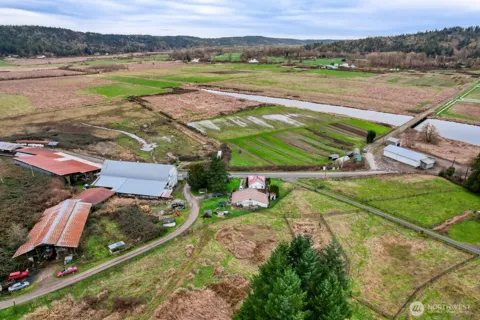
Carnation is a small city in King County, Washington, set in the broad, fertile lower Snoqualmie Valley at the confluence of the Snoqualmie and Tolt rivers. About 25 miles east of Seattle, it is a distinctly rural, agricultural community — a contrast to the suburban Eastside towns that surround it. The city's history and its name are inseparable from Carnation Farms, the pioneering dairy operation founded in 1908 by E.A. Stuart that became synonymous with Carnation Milk and its famous "Contented Cows." The community was historically known as Tolt, after the river, and its location at the rivers' meeting point made it an early hub for farming and logging in the valley. The arrival of Carnation Farms brought national attention and reshaped the area's agricultural identity, influencing dairy practice across the country. Today Carnation Farms continues on its original site, now focused on regenerative agriculture, food education, and community events, keeping the city's agricultural heritage alive. Carnation remains small and spread out, with a population of roughly 2,200 and a landscape of farms, river-bottom land, and low-density residential areas. It offers a rural lifestyle within commuting distance of the region's job centers: Duvall lies to the north along State Route 203, Redmond and the Eastside technology corridor are to the west, and Seattle is about a half-hour to 40 minutes away by road. Public schools are provided by the Riverview School District, which serves Carnation, Duvall, and the lower Snoqualmie Valley. For those drawn to open space, river access, and a working agricultural landscape, Carnation provides a rare rural option in the heart of King County.

Get more information about Carnation
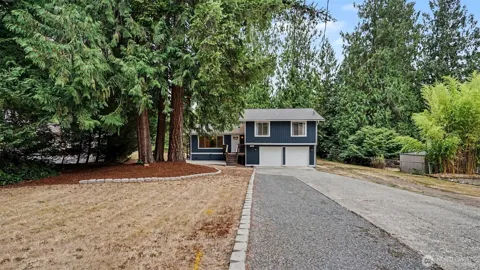
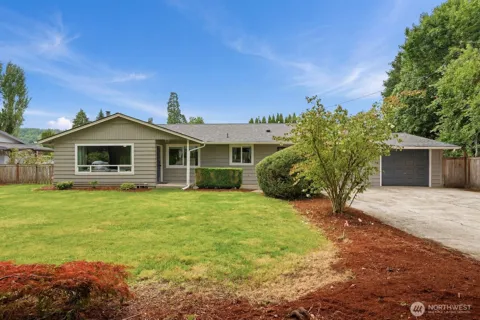
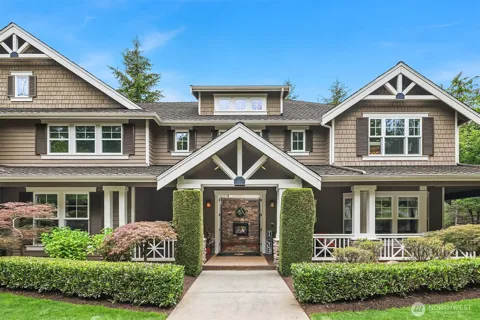
Houses in Carnation, WA
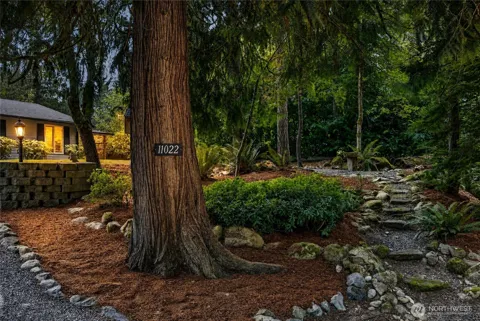
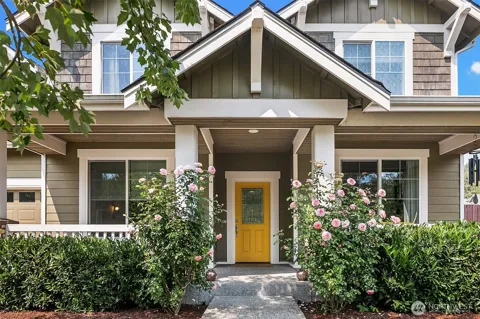
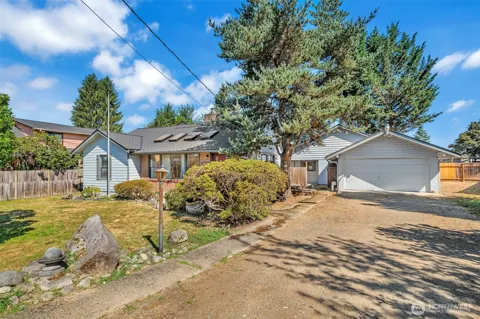
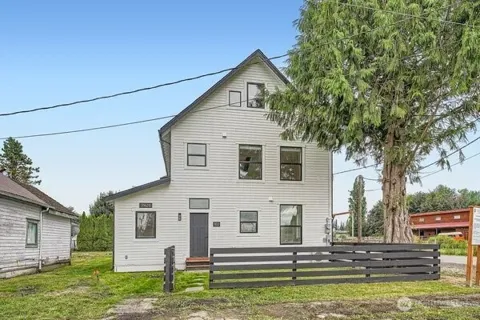
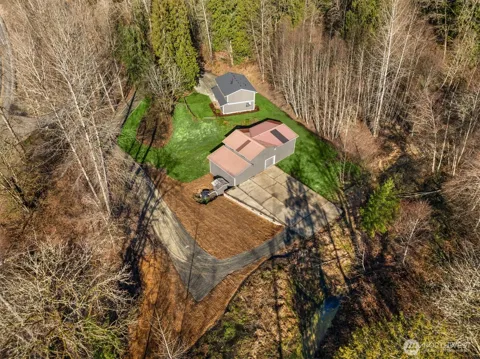
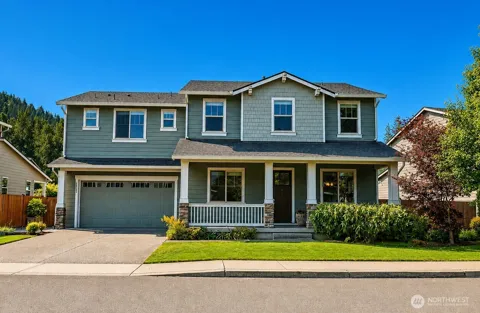
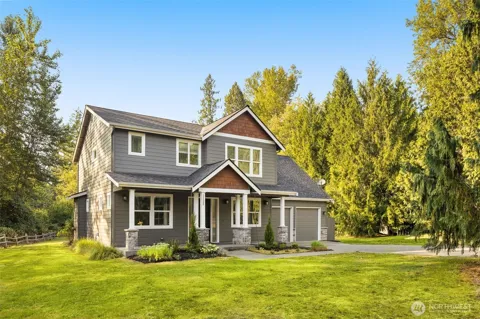
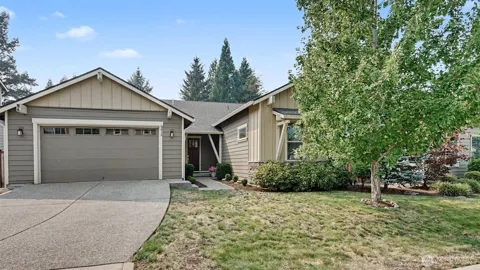
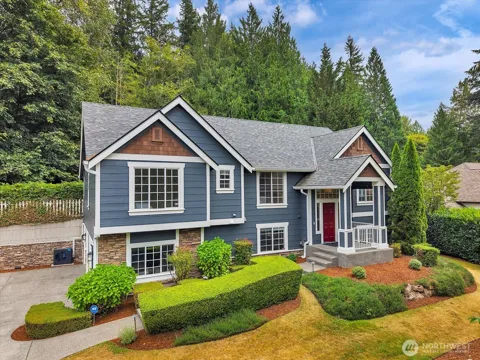
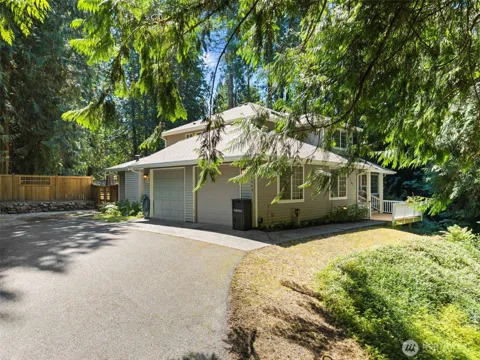
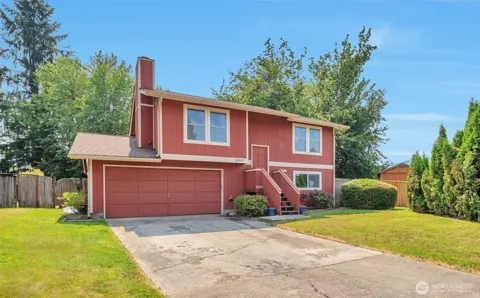
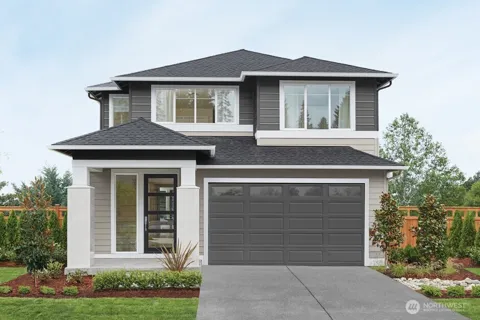
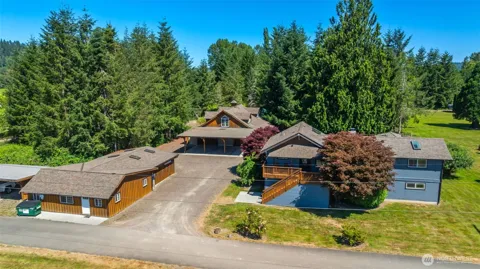
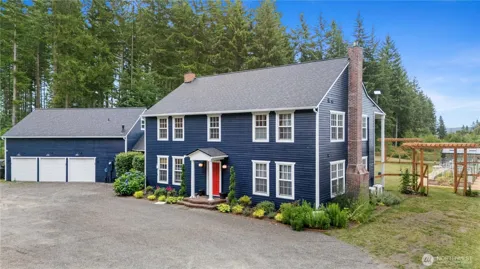
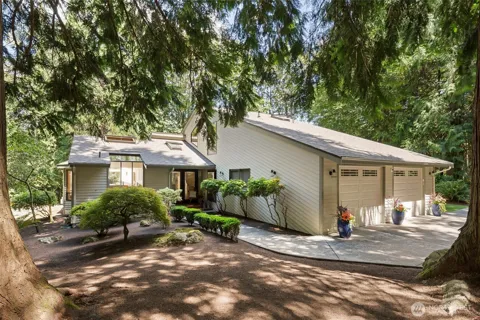
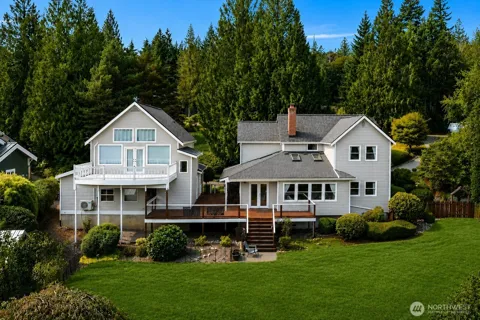
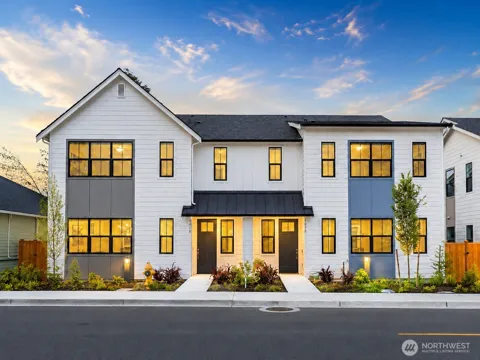
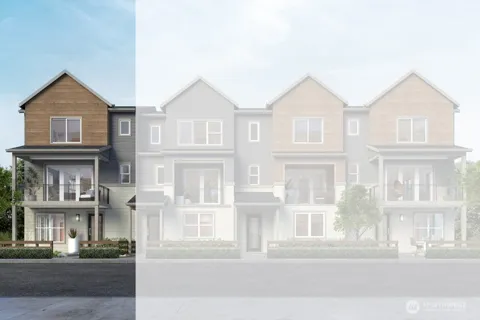
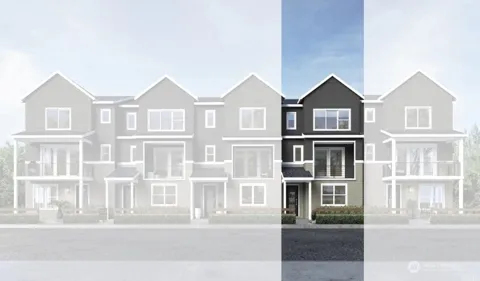
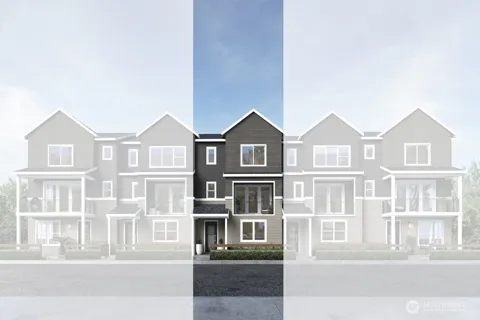
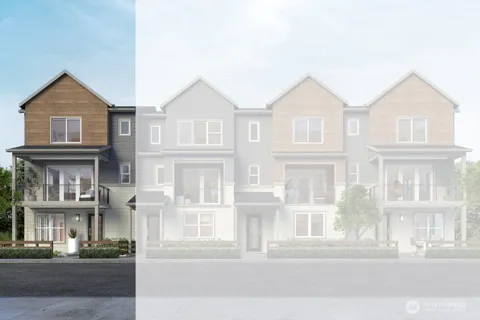
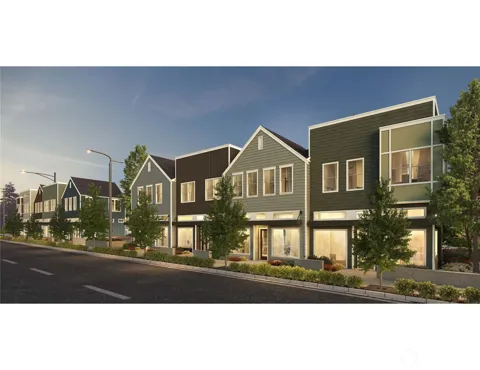
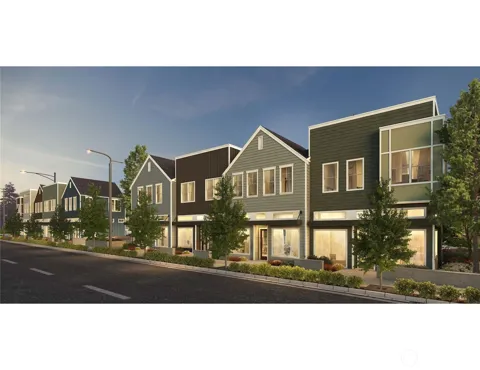
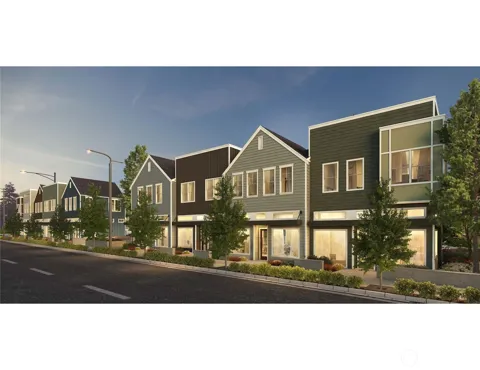
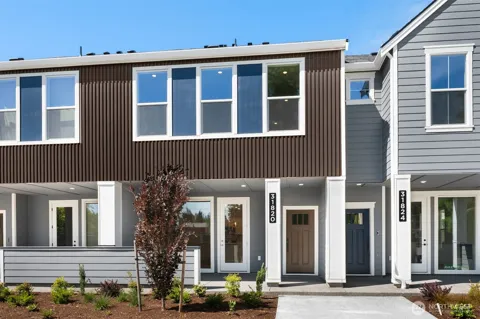
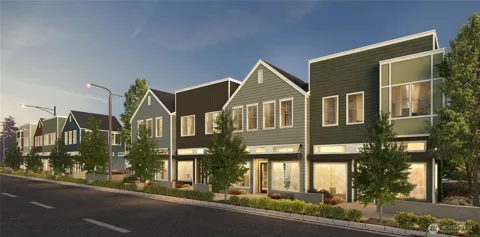
Townhouses & Duplexes in Carnation, WA
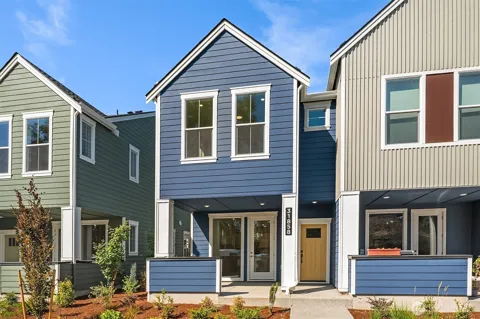

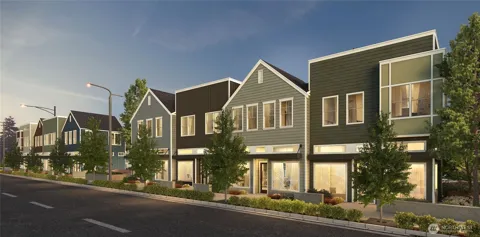

For Rent in Carnation, WA
Lots & Land in Carnation, WA
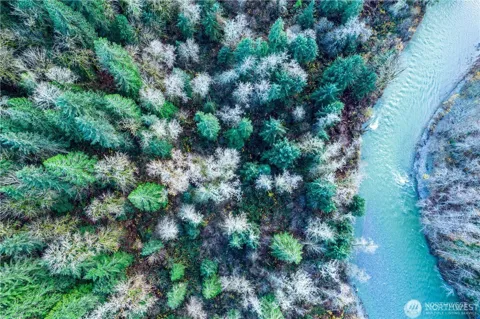

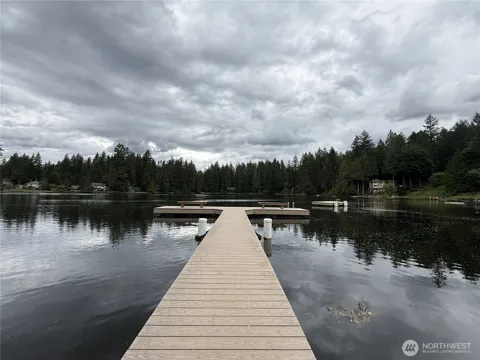


Farms & Ranches in Carnation, WA
MARKET SNAPSHOT
The Market at a Glance
How homes have been selling here over the last 90 days.
Price & Sales History
Market data reflects closed sales over the last 90 days and is provided for informational purposes.
Zip Codes
BROWSE BY ZIP
Browse listings by postal code in this area.
- Grid
- Map
- List
City Guide
About Carnation
Real Estate & Housing
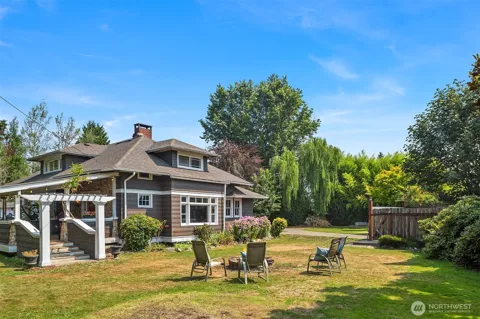
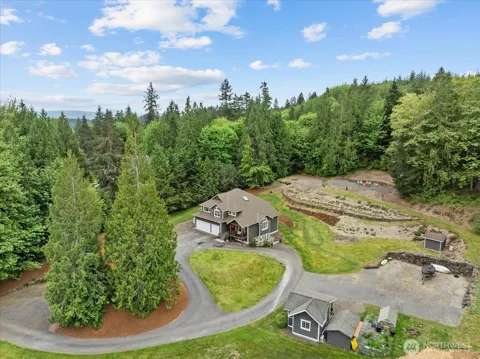
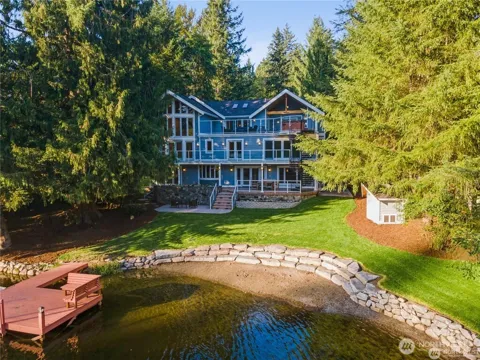
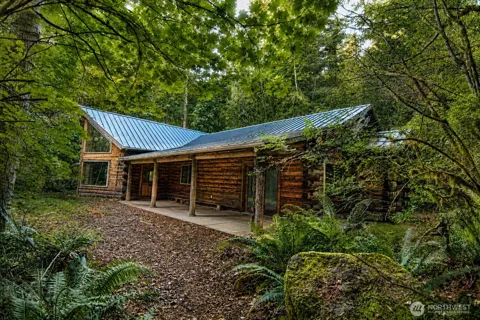
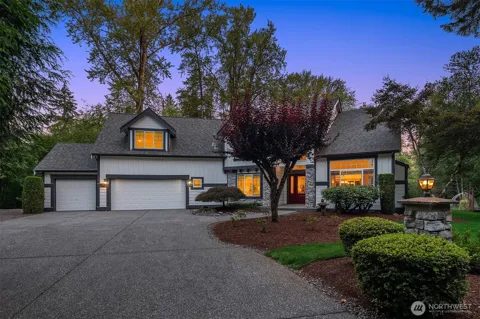
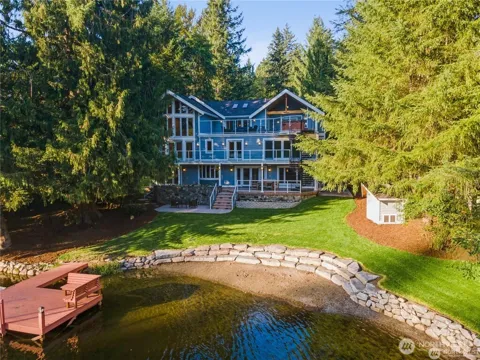
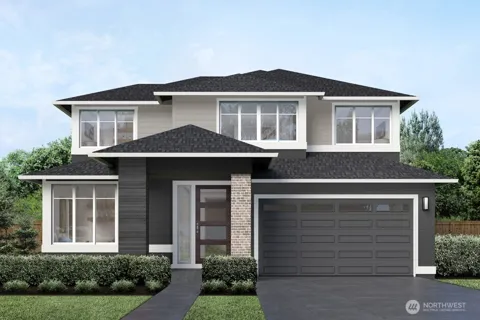
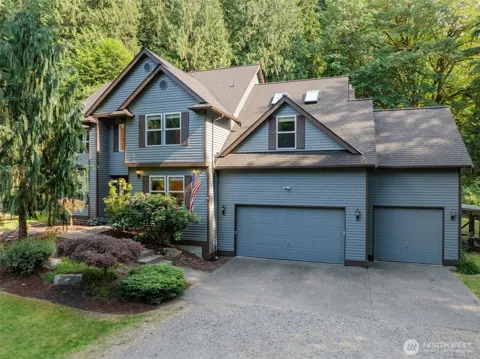
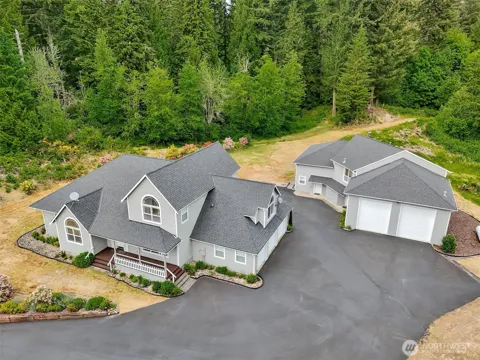
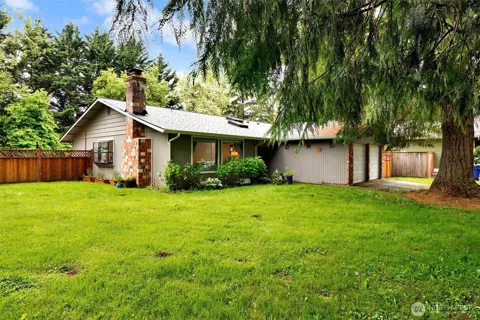
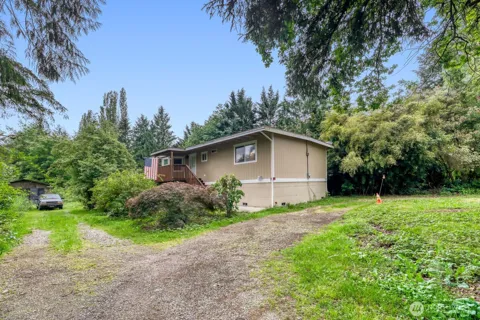
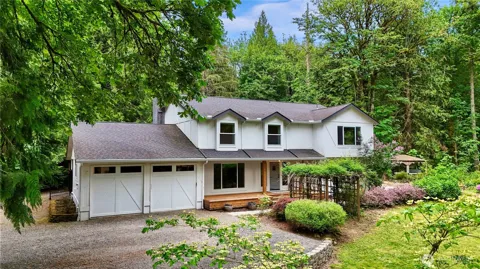
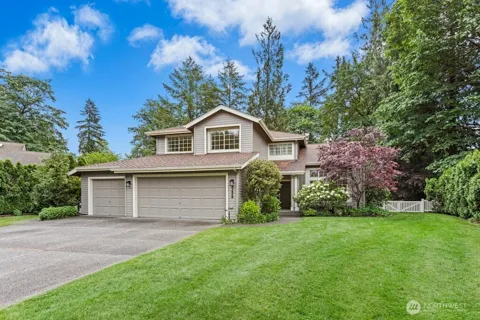
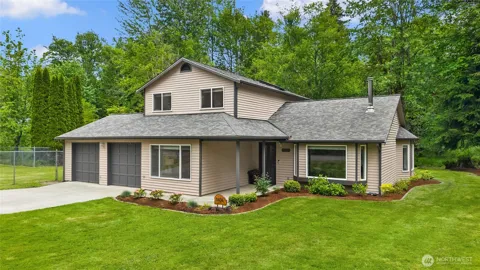
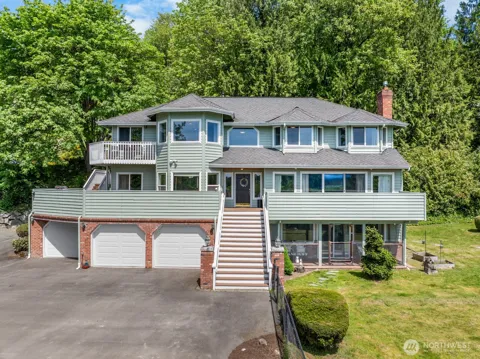
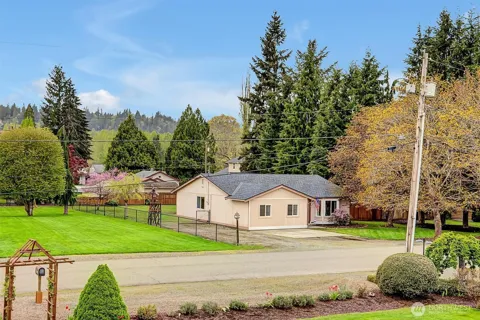
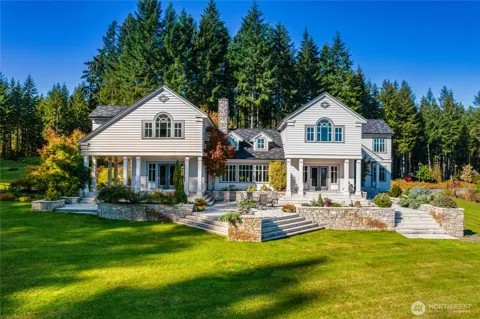
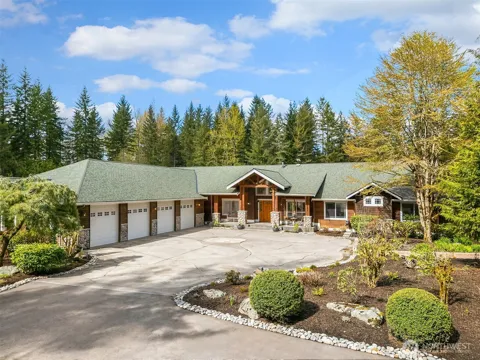
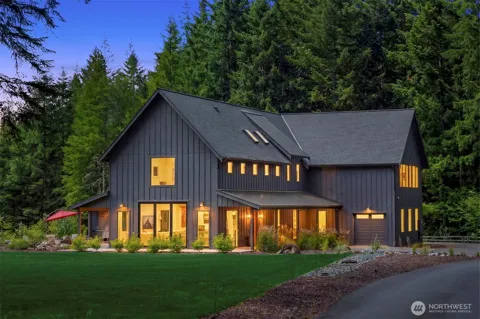
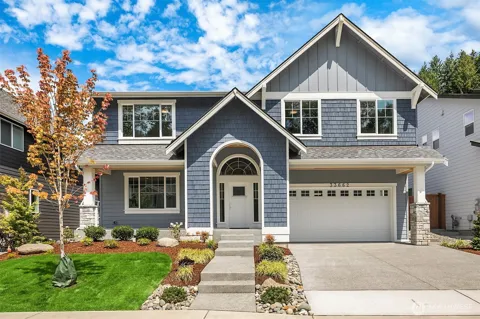
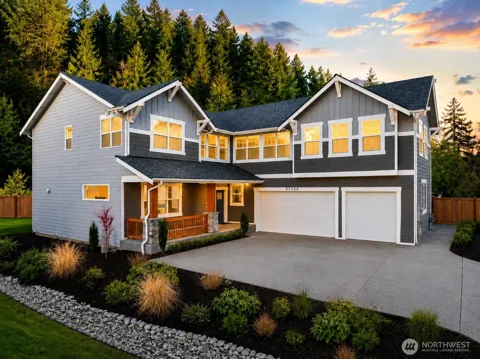
Carnation's housing reflects its rural character. Homes are typically single-family and set on larger lots, with acreage and farm properties common throughout the surrounding valley. The housing stock is a mix of older farm-era homes and newer single-family construction, and the community's low density and open landscape distinguish it from the denser Eastside suburbs. Buyers are often drawn by the availability of land, the Snoqualmie Valley scenery, and the ability to keep animals or gardens. Growth has been measured, preserving the area's working-rural feel.
Neighborhoods
Carnation's layout follows the rivers and the valley floor. The compact original townsite sits near the confluence of the Snoqualmie and Tolt rivers, with older homes and the city's small commercial core, while residential streets and farm properties spread outward onto the surrounding bottomland. The broader lower Snoqualmie Valley — taking in nearby Duvall and unincorporated farm country — shares Carnation's rural character. This is a community defined less by formal subdivisions than by the river landscape, farmland, and forested foothills that frame it.
Lifestyle in Carnation
Life in Carnation is grounded in the valley's agricultural rhythms and open space. Carnation Farms anchors the community's identity with its farm, events, and food-education programs, while the Snoqualmie and Tolt rivers provide fishing and scenic riverfront. The pace is quiet and rural, with many residents keeping gardens, animals, or acreage. Nearby Duvall offers additional shops and services, and the Eastside's employment and retail centers are within commuting distance. It suits those who want country living without leaving the Seattle region entirely.
Schools & Education
Carnation is served by the Riverview School District, a King County district that educates students in Carnation, Duvall, and the surrounding lower Snoqualmie Valley. Carnation Elementary School is located within the city, and older students attend the district's middle and high schools serving the broader Duvall–Carnation area. The district's small-town scale keeps ties close between schools and the community. Families seeking additional options can look to neighboring districts and the private schools of the Eastside.
Getting Around
Carnation is reached primarily via State Route 203, which runs north-south through the lower Snoqualmie Valley, connecting the city to Duvall and Monroe to the north and to Fall City and the Snoqualmie area to the south. From Carnation, routes lead west toward Redmond, the Eastside technology corridor, and Seattle, roughly 25 miles away. The city's rural setting means driving is the primary mode of transport, and the commute to Eastside employment centers follows scenic valley and foothill roads. Seattle-Tacoma International Airport is reached via the regional highway network.
Parks & Recreation
Recreation in Carnation centers on the Snoqualmie and Tolt rivers and the surrounding valley. The rivers offer fishing, kayaking, and river access, while the valley's farm roads and foothills provide scenic cycling and walking. Carnation Farms hosts community events and educational programs that draw visitors from across the region. Nearby, the parks and trail systems of the Snoqualmie Valley and Cascade foothills offer hiking and outdoor access, with Snoqualmie Falls and the mountain trailheads of the upper valley within a short drive.
About Carnation
Frequently asked questions
What county is Carnation, Washington in?
Carnation is in King County, Washington, in the lower Snoqualmie Valley at the confluence of the Snoqualmie and Tolt rivers, east of Sammamish and south of Duvall along State Route 203.
Why is the city called Carnation?
The city, originally known as Tolt, was renamed for Carnation Farms, the dairy operation founded in 1908 by E.A. Stuart that became famous for Carnation Milk and its 'Contented Cows.'
What school district serves Carnation?
Carnation is served by the Riverview School District, which educates students in Carnation, Duvall, and the surrounding lower Snoqualmie Valley. Carnation Elementary School is located within the city, and older students attend the district's secondary schools.
What was Carnation called before?
Before its renaming, Carnation was known as Tolt, after the Tolt River that meets the Snoqualmie River in the city. The name reflects the town's early logging and farming roots.
Still have questions about Carnation?
Get in touchExplore the area
