
Victorian Seaport on Puget Sound
Listings in Port Townsend, WA
Welcome to Port Townsend, a Victorian seaport on the Quimper Peninsula and the Jefferson County seat, with a nationally recognized historic district.
Port Townsend is a city on the Quimper Peninsula in Jefferson County, Washington, and the county seat, with a 2020 population of about 10,100. It sits at the northeastern corner of the Olympic Peninsula, where Admiralty Inlet opens into Puget Sound, a location that shaped its history as a maritime crossroads. Founded in 1851, Port Townsend was once the second-busiest port on the West Coast and a vital customs port during the Victorian era. In the 1880s, speculators bet that the city would become the Pacific Northwest's railroad terminus; the boom that followed produced a remarkable stock of grand Victorian commercial and residential buildings. When the railroad went elsewhere, the city's growth stalled — and its Victorian architecture was preserved rather than replaced. Today Port Townsend is recognized as one of only three Victorian Seaports on the National Register of Historic Places. Its waterfront district and bluff-top residential area form a National Historic District, and more than 300 Victorian-era homes and buildings survive, making the city a destination for preservation, architecture, and maritime heritage. The city is also a working arts and outdoor community. Fort Worden Historical State Park, a former coastal defense fort, anchors recreation with beaches, trails, a lighthouse, and the Port Townsend Marine Science Center. The Port Townsend School District serves about 1,200 students across four schools. Washington State Ferries links the city across Admiralty Inlet to Whidbey Island, and the surrounding Olympic Peninsula offers forests, trails, and shoreline. Its economy blends tourism, maritime trades, arts, and local services. Port Townsend suits households drawn to a historic, walkable small city with a strong arts scene, waterfront access, and a slower pace — a coastal community that trades metropolitan scale for architectural character and natural beauty.

Get more information about Port Townsend
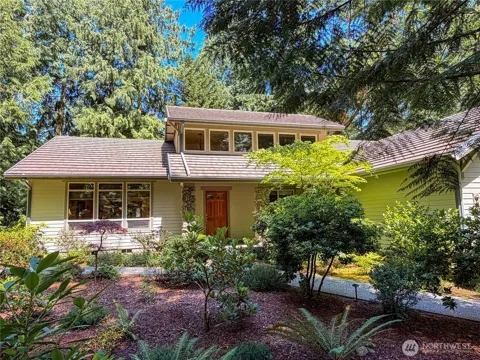
Houses in Port Townsend, WA
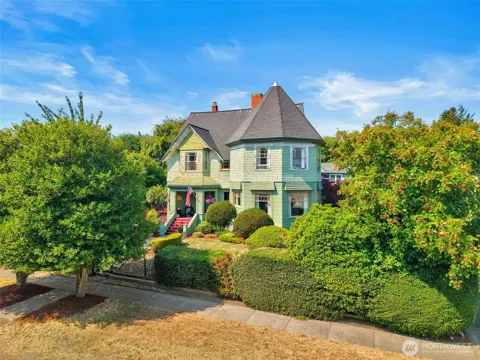
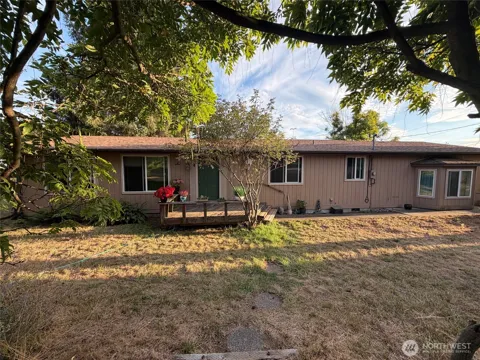
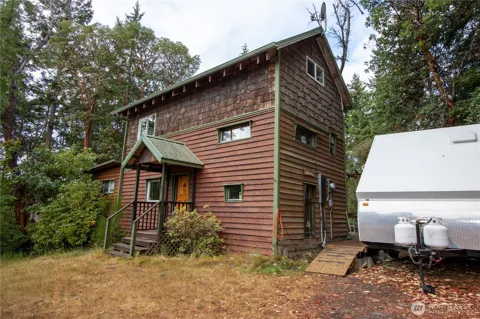

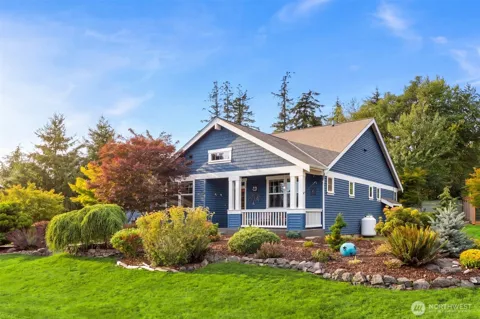
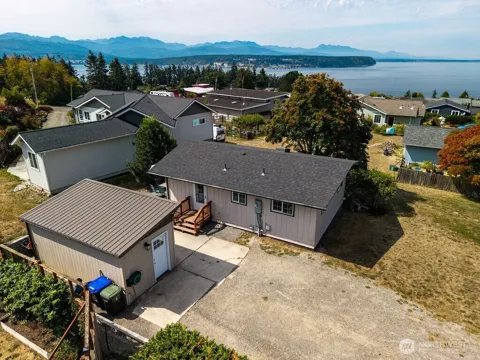
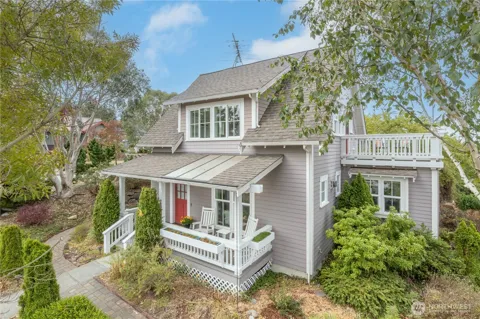
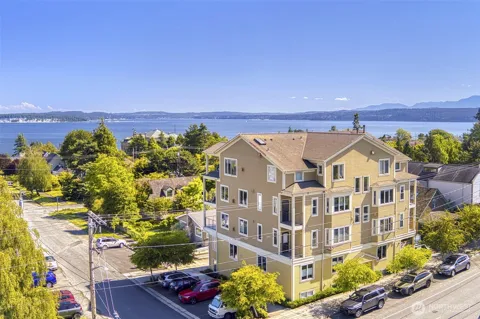
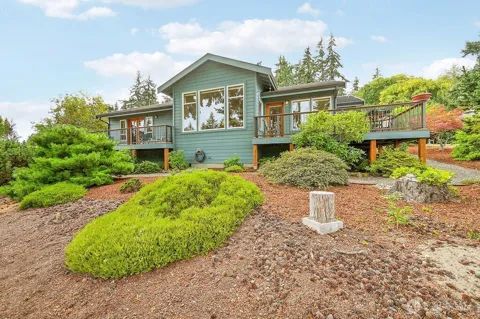

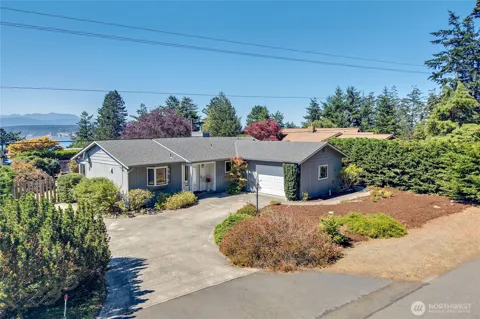
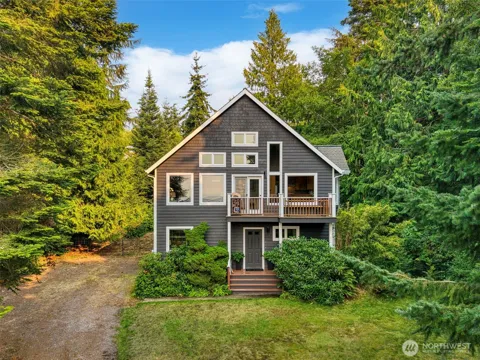

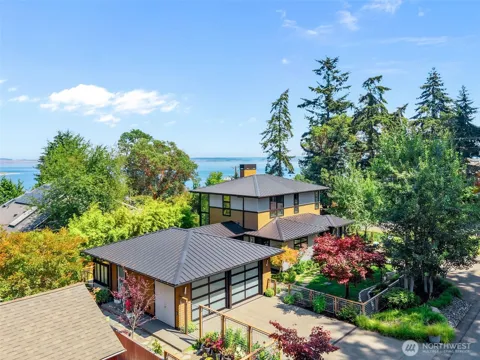
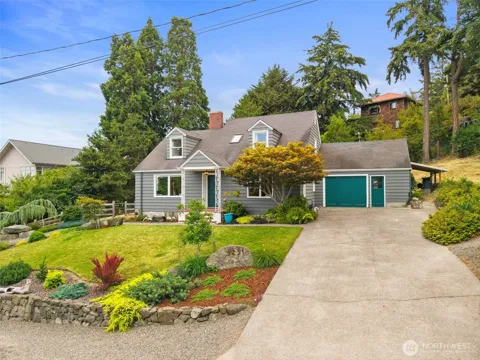
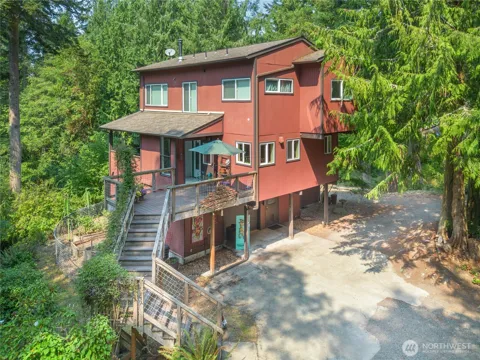
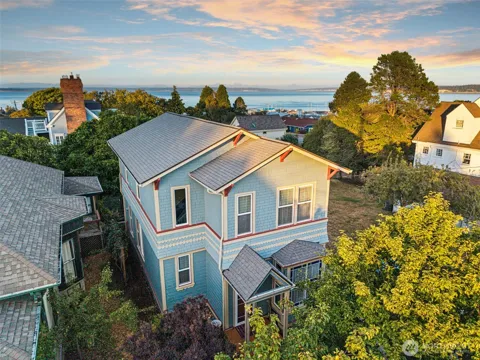
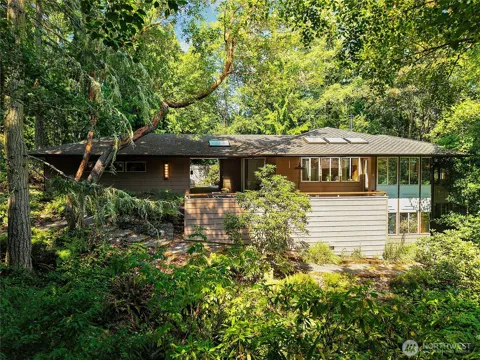
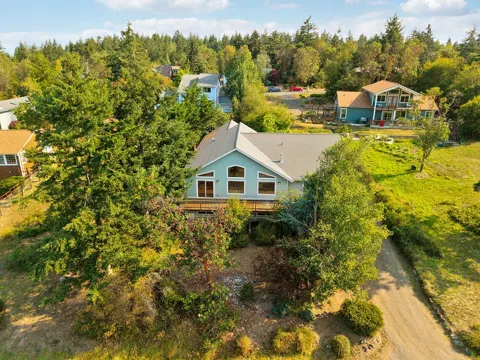
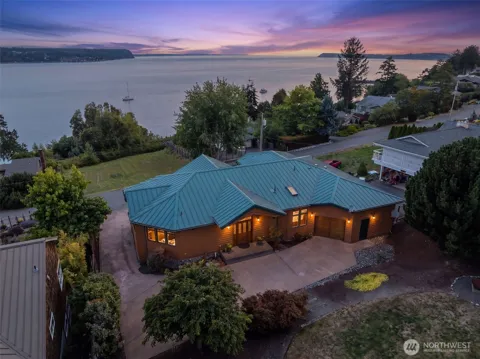

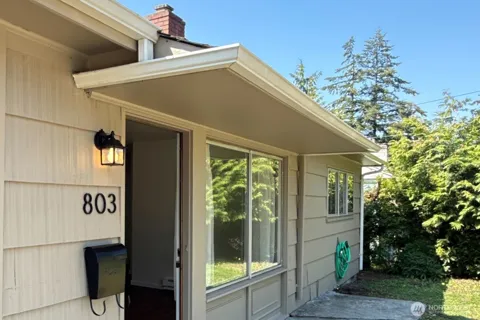
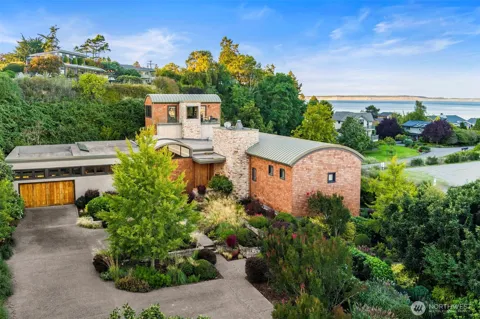
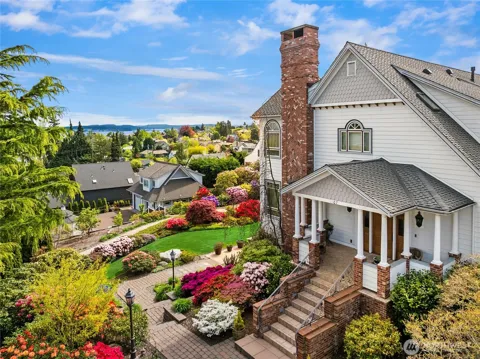
Condos & Apartments in Port Townsend, WA
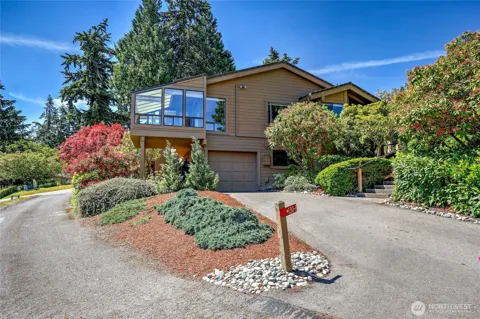
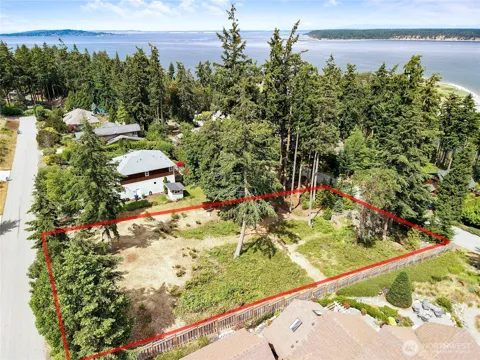
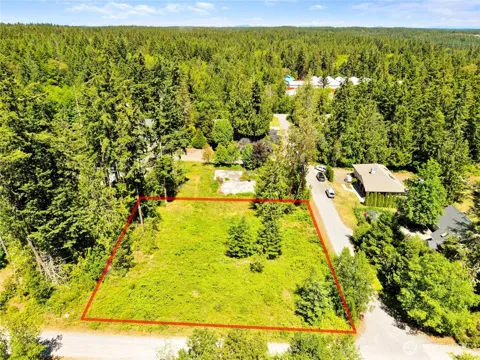
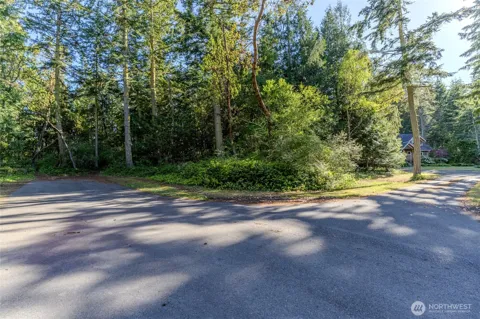
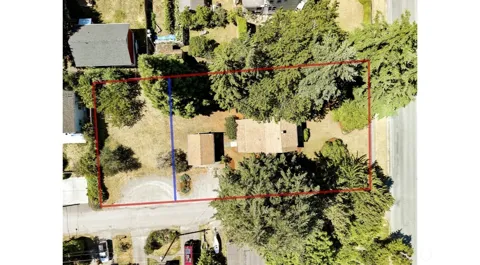
Lots & Land in Port Townsend, WA


 For Sale
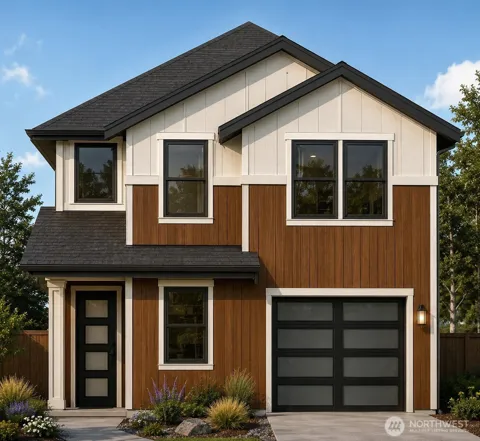
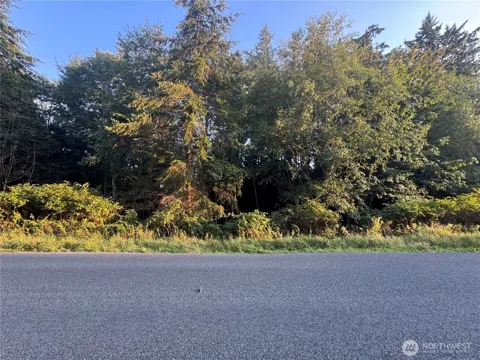
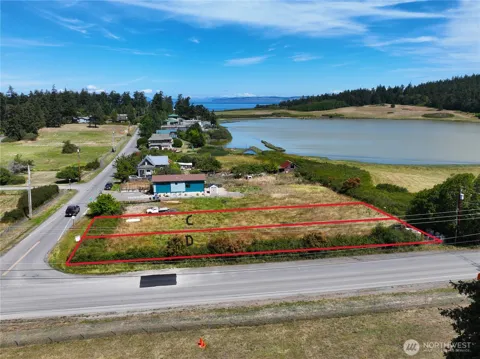
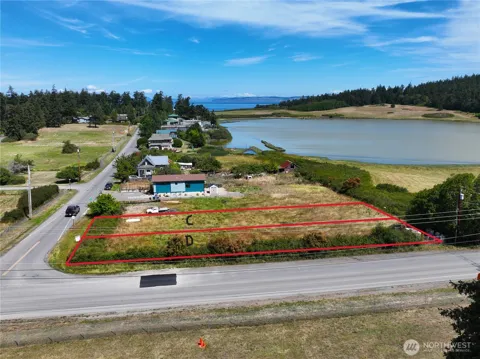
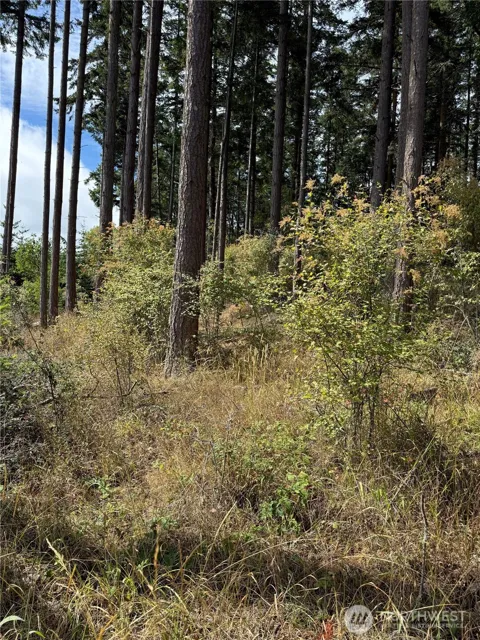
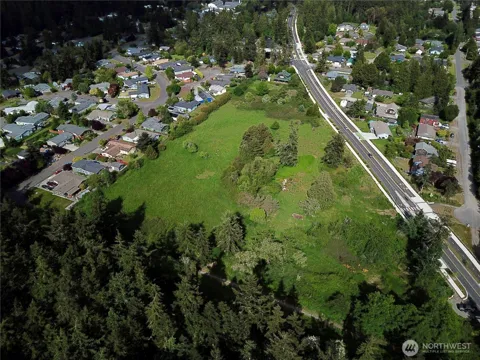
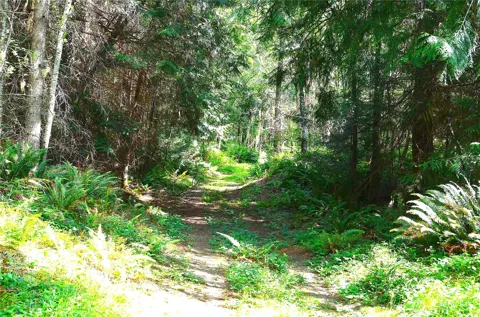
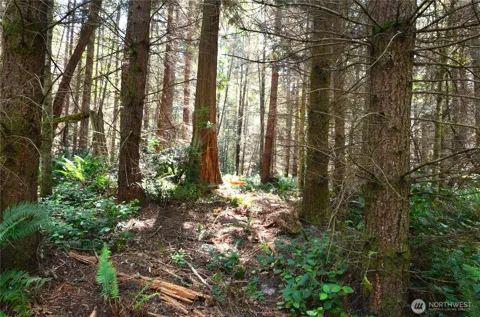
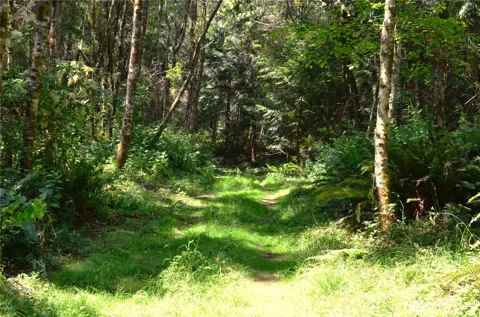
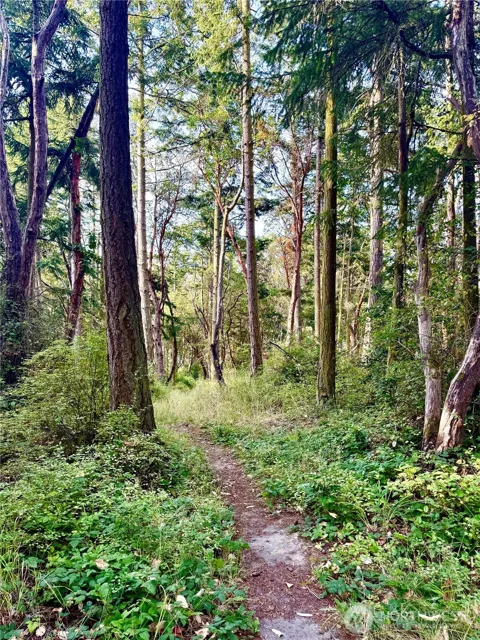
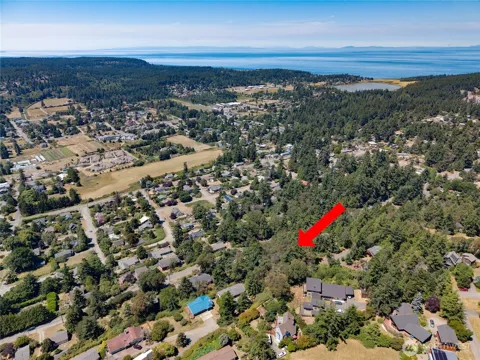
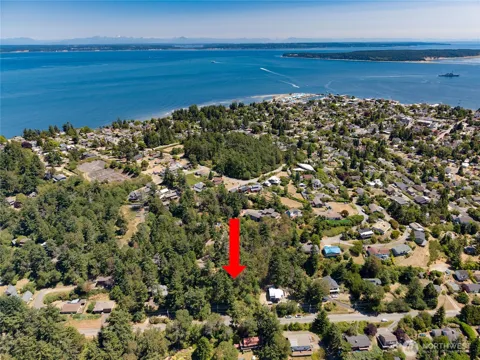
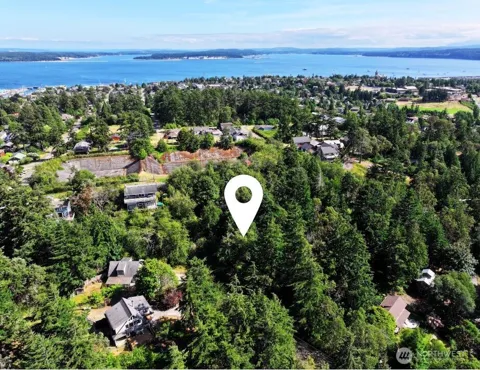
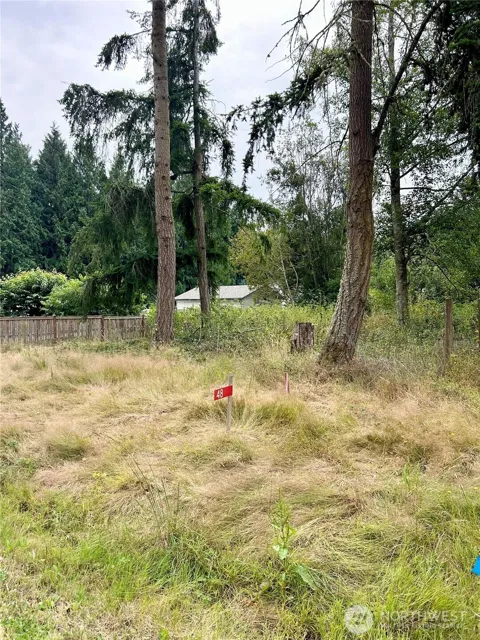
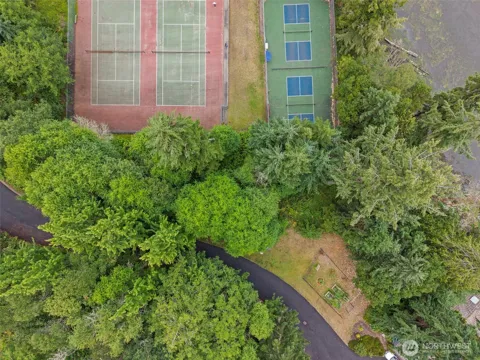
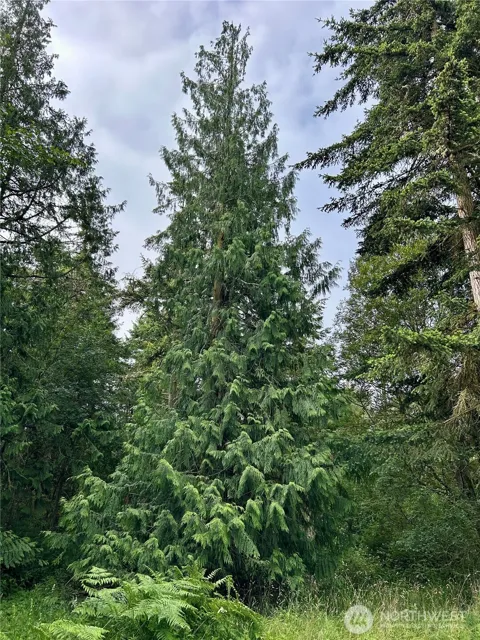 For Sale
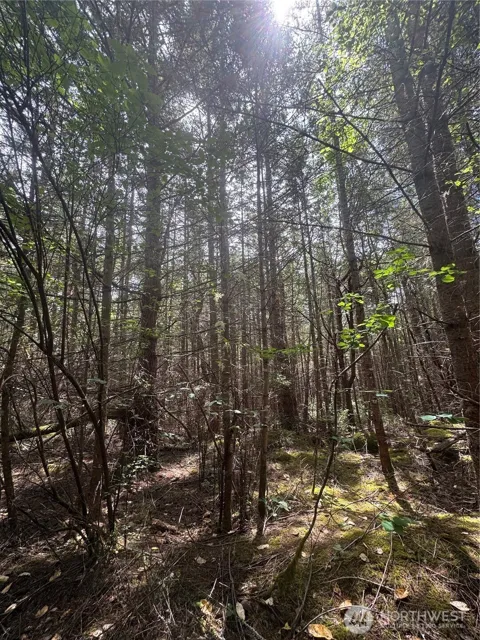
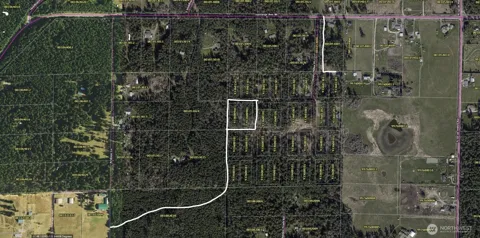
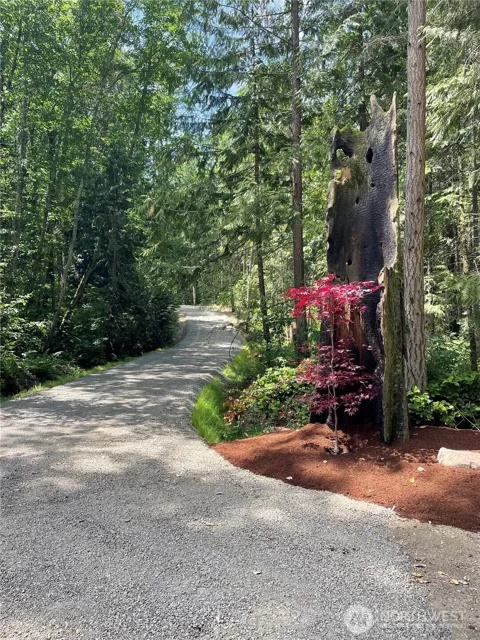
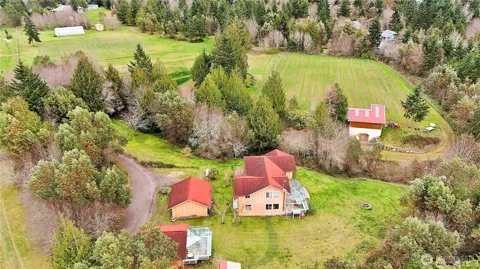
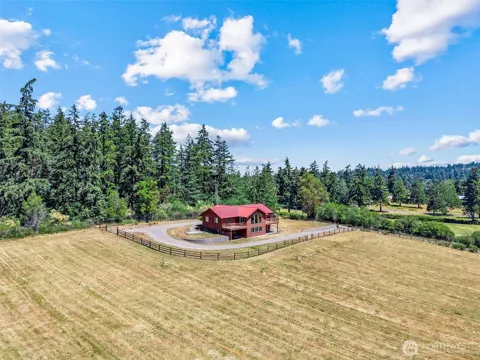
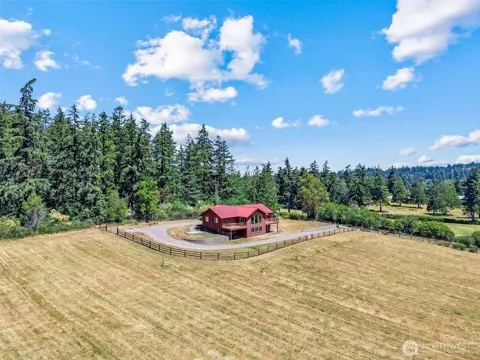
Farms & Ranches in Port Townsend, WA
MARKET SNAPSHOT
The Market at a Glance
How homes have been selling here over the last 90 days.
Price & Sales History
Market data reflects closed sales over the last 90 days and is provided for informational purposes.
Zip Codes
BROWSE BY ZIP
Browse listings by postal code in this area.
- Grid
- Map
- List
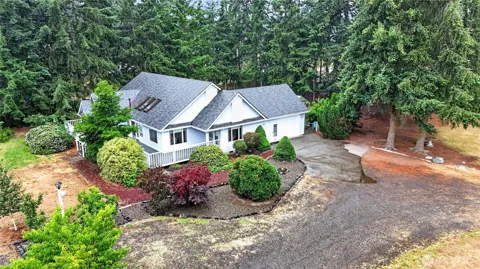
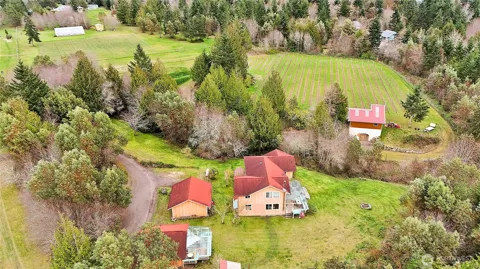
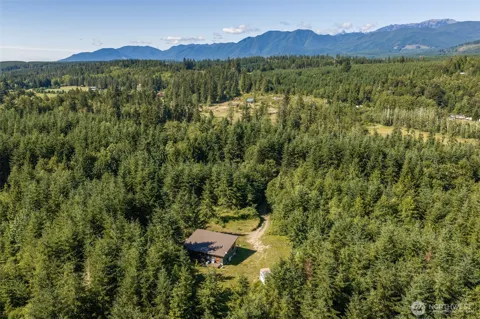
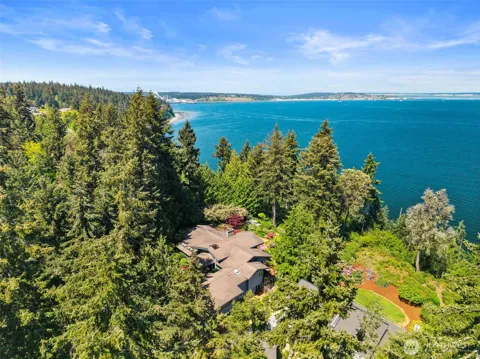
City Guide
About Port Townsend
Real Estate & Housing
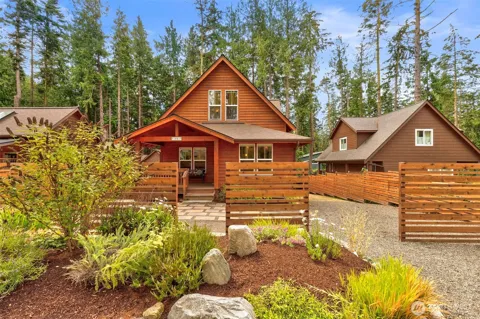
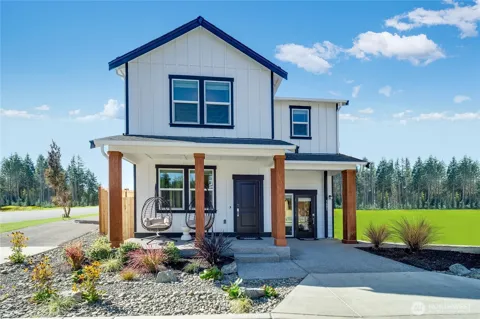
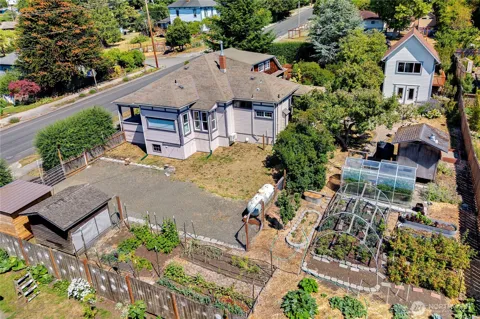
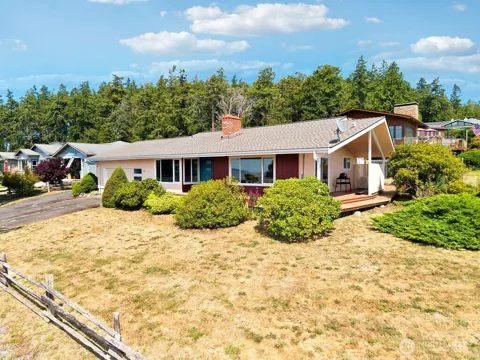
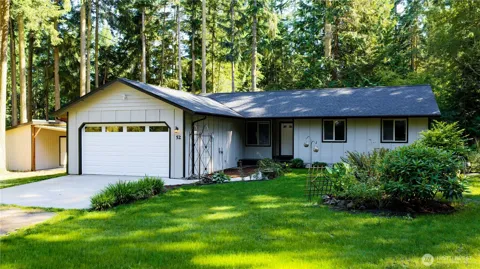
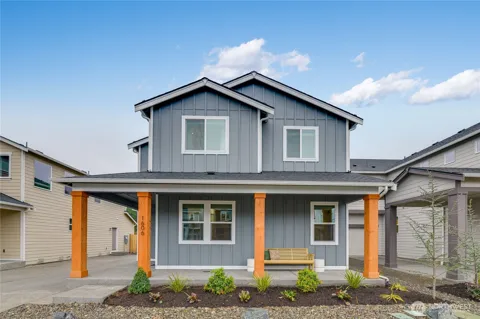
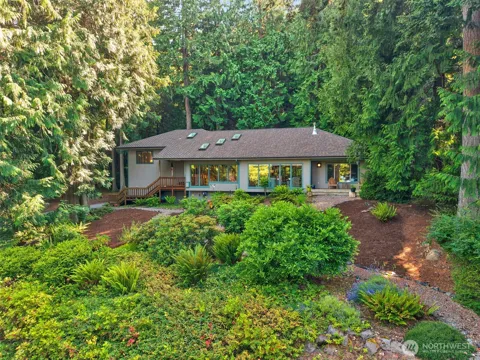
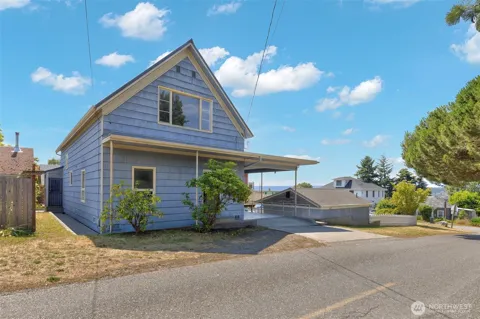
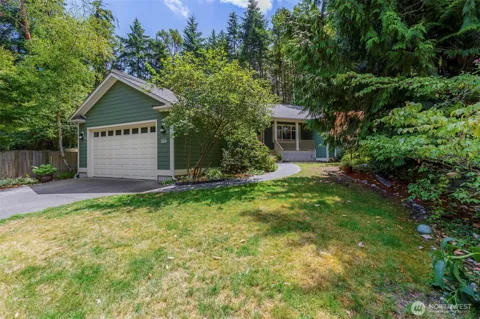
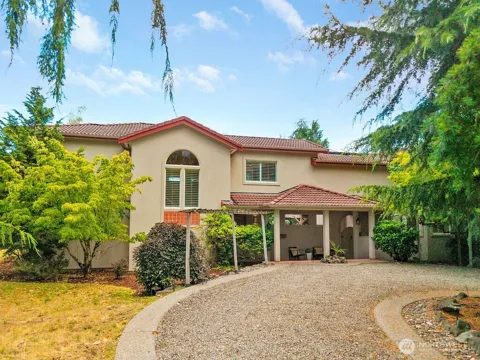
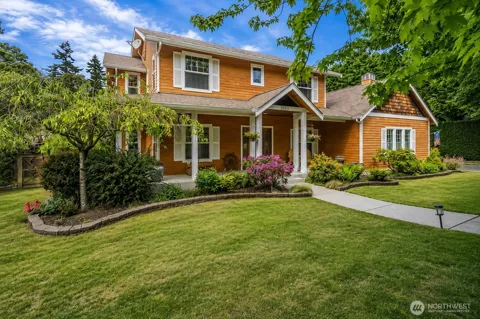
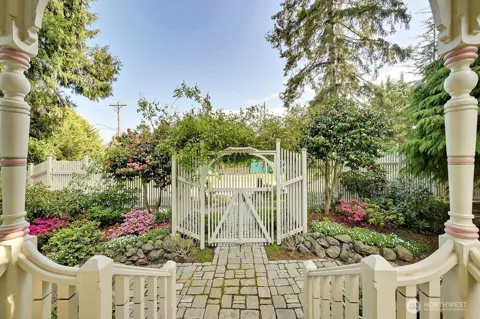
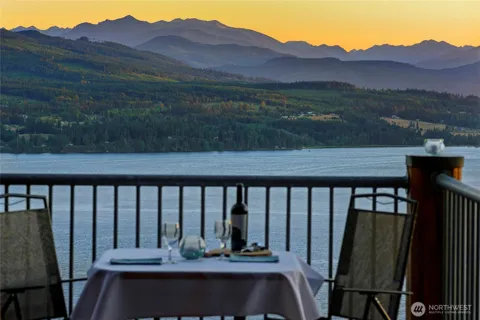
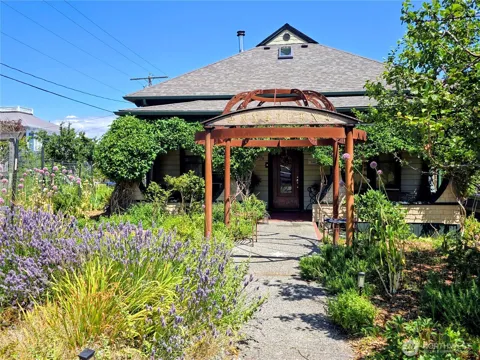
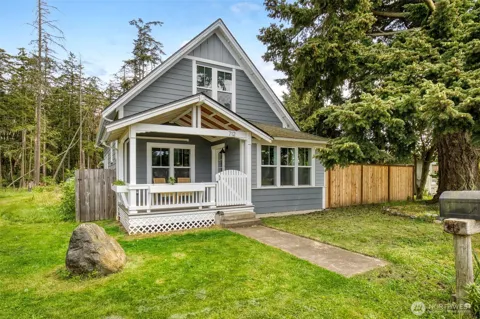
Port Townsend's housing stock is dominated by historic architecture. The city preserves more than 300 Victorian-era homes and buildings, concentrated in the waterfront district and the bluff-top residential area that together form a National Historic District. Alongside these grand Victorians, the city offers a range of smaller older homes, cottages, and a share of newer construction, reflecting its evolution as both a historic seaport and a working community. Waterfront and view properties define the upper reaches of the market character. Buyers are drawn by the architectural heritage, the walkable downtown, and the coastal setting.
Neighborhoods
Port Townsend's layout divides between two historic areas that together form a National Historic District: the waterfront downtown district, with its Victorian commercial buildings and working harbor, and the residential area on the bluff above, where grand Victorian homes line the streets. This uptown–downtown split defines the city's pedestrian character, with steep stairways and streets connecting the two. Beyond the historic core, the city spreads into mid-century and newer residential streets on the peninsula. The result is a compact, walkable small city whose neighborhoods are united by shared history, views, and waterfront access.
Lifestyle in Port Townsend
Life in Port Townsend centers on its historic downtown, its waterfront, and a strong arts and maritime culture. The city's Victorian streetscape hosts shops, galleries, cafés, and restaurants, and the harbor remains a working and recreational waterfront. Fort Worden State Park adds beaches, trails, and cultural venues, while the surrounding Olympic Peninsula offers forests and shoreline. The community is known for its festivals, arts scene, and independent spirit, with a population that skews toward those who value place and craftsmanship. It is a deliberately slower, more personal small-city life than the larger Puget Sound metros.
Schools & Education
Port Townsend is served by the Port Townsend School District, a small district of four schools enrolling about 1,200 students. The district emphasizes place-based, community-connected learning, reflecting the city's maritime and arts identity. Because the district is compact, families generally move through a single elementary–middle–high sequence, though they should confirm current campus assignments. The district's small scale gives it a close-knit, hometown character consistent with Port Townsend itself, and its schools are a central part of community life.
Getting Around
Port Townsend sits at the northeastern tip of the Olympic Peninsula, where Admiralty Inlet meets Puget Sound. Washington State Ferries operates a route across Admiralty Inlet connecting the city to Whidbey Island, linking the Olympic Peninsula to the broader Puget Sound ferry system. Road access follows the peninsula's highways, with the city a gateway between the Olympic Peninsula and the islands. Travel is car- and ferry-based, and the city's location means reaching larger urban centers involves a ferry crossing or a drive around Puget Sound — a trade-off that reinforces its quiet, coastal character.
Parks & Recreation
Recreation in Port Townsend is anchored by Fort Worden Historical State Park, a former coastal defense fort that now offers saltwater beaches, trails, parade grounds, camping, a lighthouse, and the Port Townsend Marine Science Center. The surrounding Admiralty Inlet shoreline supports beachcombing, boating, and kayaking, while the Olympic Peninsula provides forests and hiking. The city's walkable Victorian streets and waterfront add an everyday recreational layer, and its festivals and arts venues round out the cultural calendar. For residents, the combination of shoreline, parkland, and historic streetscape defines recreation.
About Port Townsend
Frequently asked questions
What county is Port Townsend in?
Port Townsend is a city on the Quimper Peninsula in Jefferson County, Washington, and it serves as the county seat. It sits at the northeastern corner of the Olympic Peninsula, where Admiralty Inlet opens into Puget Sound.
What is Port Townsend known for?
Port Townsend is known for its remarkably intact Victorian architecture. Its waterfront and bluff-top districts form a National Historic District, and the city is recognized as one of only three Victorian Seaports on the National Register of Historic Places.
What school district serves Port Townsend?
The Port Townsend School District serves the city, operating four schools and enrolling about 1,200 students. The district emphasizes place-based, community-connected learning, reflecting the city's maritime and arts identity and small-town character.
What is Fort Worden?
Fort Worden is a historical state park in Port Townsend, built as a coastal defense fort. It now offers beaches, trails, camping, a lighthouse, and the Port Townsend Marine Science Center along the Admiralty Inlet shoreline.
Still have questions about Port Townsend?
Get in touchExplore the area
