Columbia River Port Town
Listings in Kalama, WA
Welcome to Kalama, a Cowlitz County port town on the Columbia River with deep Northern Pacific Railway roots.
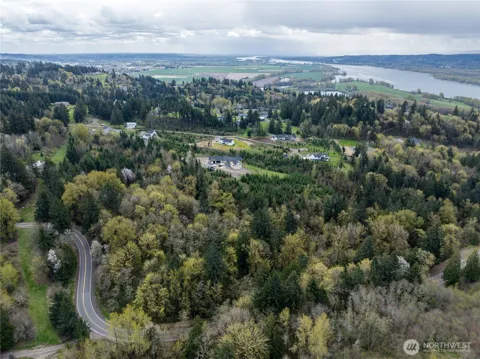
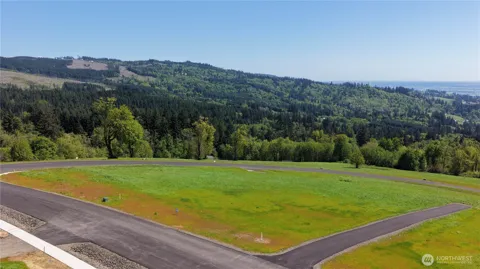
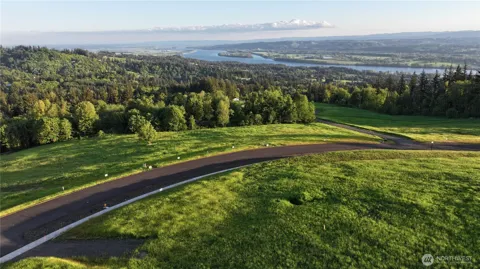
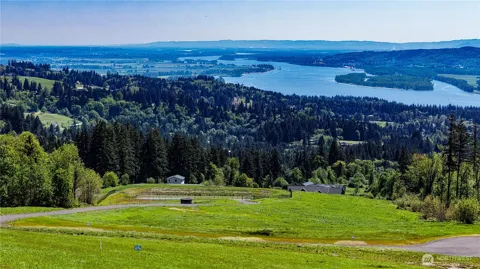
Kalama is a city in Cowlitz County, Washington, on the Columbia River in the southwest corner of the state. It sits along Interstate 5 between Portland, Oregon, and the Puget Sound, and its population is roughly 3,000. The town occupies a narrow riverfront plain where the Kalama River meets the Columbia, with forested hills rising behind it. Kalama's founding is tied directly to the railroads. In the early 1870s, Northern Pacific Railway scouts chose the site as the terminus of the new transcontinental line and its headquarters, purchasing 700 acres in 1870. The town boomed as a railhead, but when the Northern Pacific completed its line to Tacoma in 1873 and moved its headquarters there, Kalama's fortunes shifted, and the population briefly fell to fewer than 100 before the community rebuilt around the port and timber industries. Today the Port of Kalama anchors a working waterfront, handling cargo and industrial activity along the Columbia. The city has also cultivated a recreation and tourism identity, with a marina, amphitheater, marine trail, parks, and a noted McMenamins hotel and rooftop bar overlooking the river. The Kalama School District serves local students, and the community is known as a filming location and a stop for travelers exploring the Columbia River corridor. For residents, the appeal is a small river town with a real working waterfront, convenient Interstate 5 access, and a distinct sense of place along the Columbia. Fishing, boating, and kayaking on the Columbia and Kalama rivers are part of everyday life here, and the town's riverfront setting offers views across the water toward the forested hills of the Northwest.

Get more information about Kalama
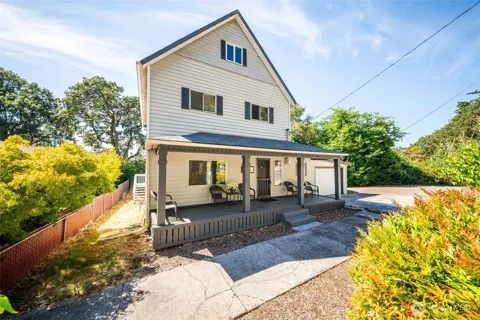
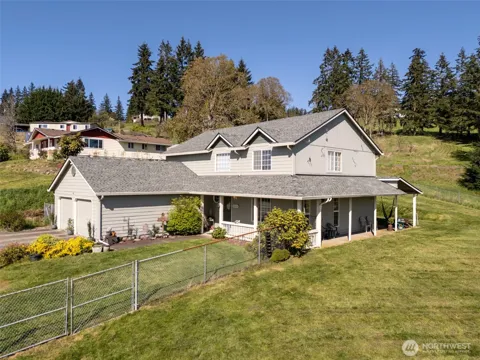
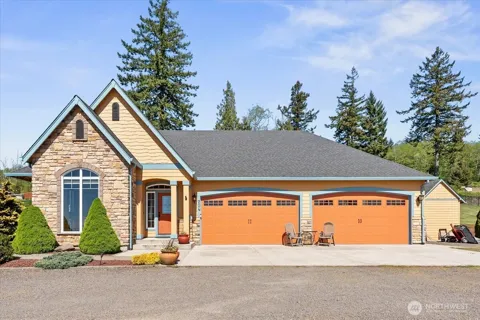
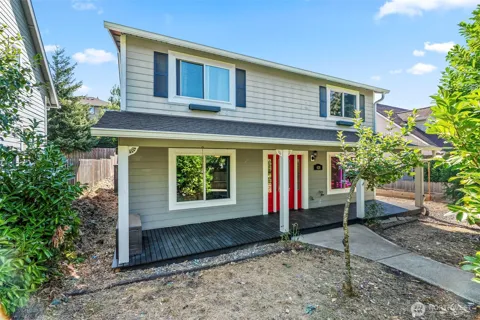
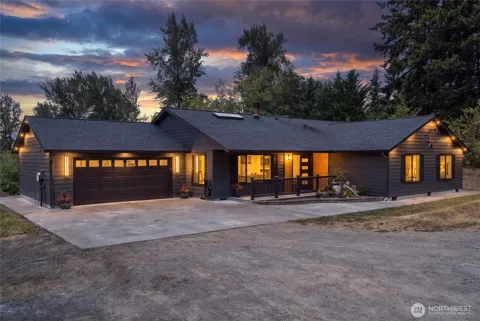
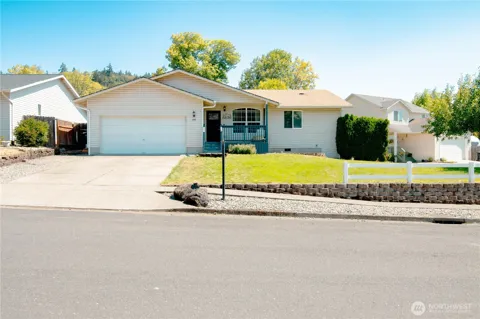
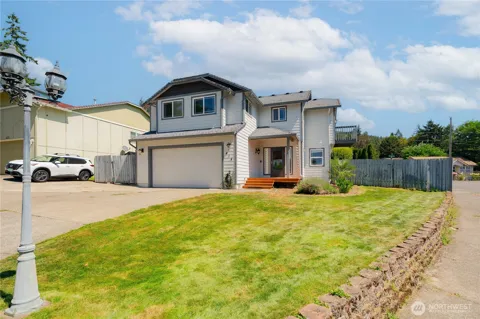
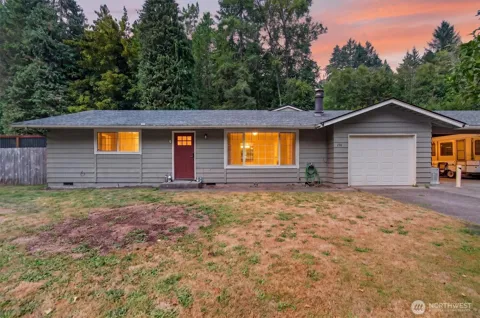
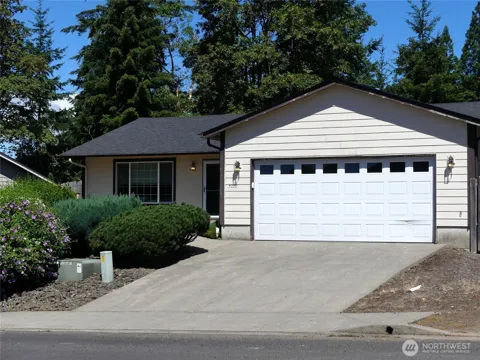
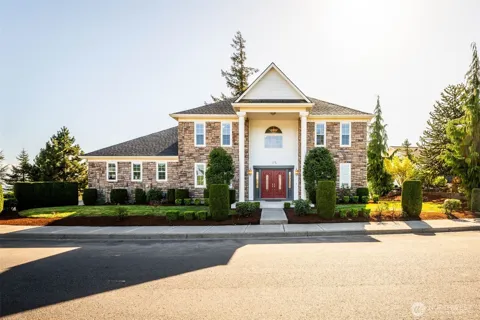
Houses in Kalama, WA

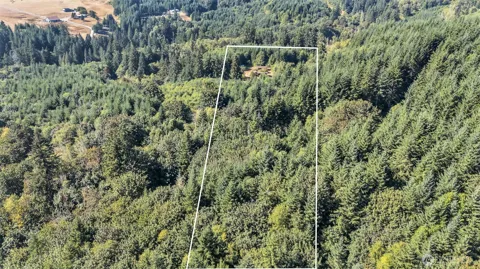
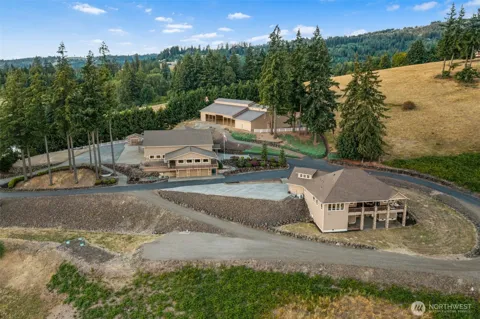
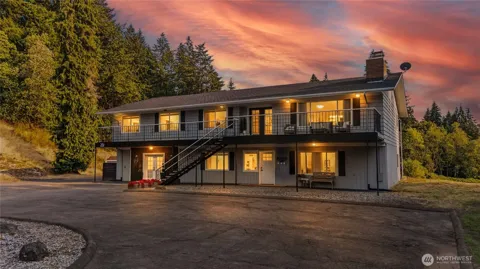
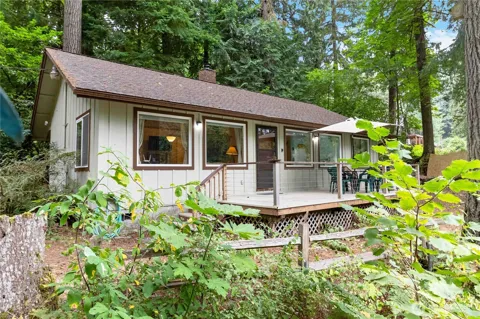
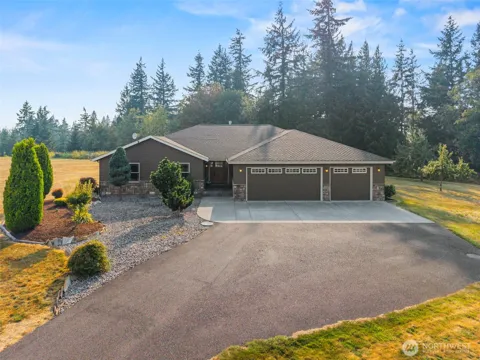
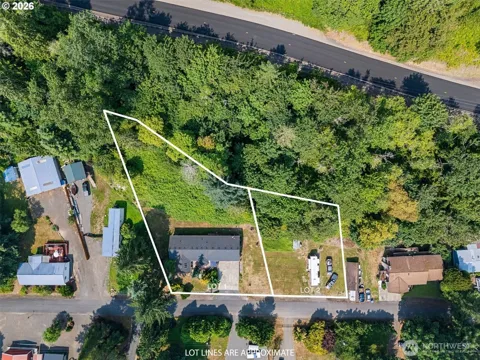
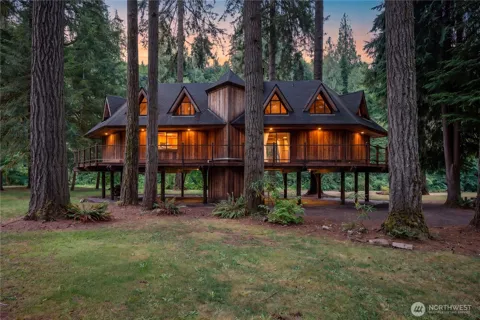
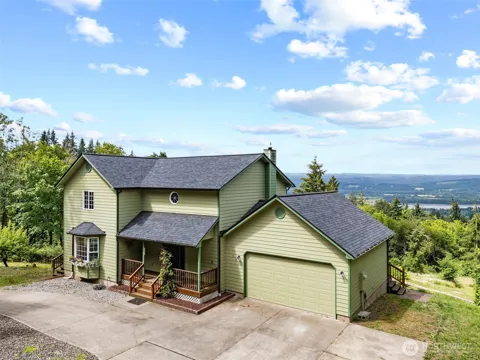
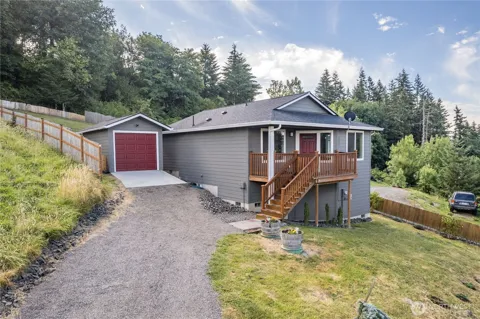
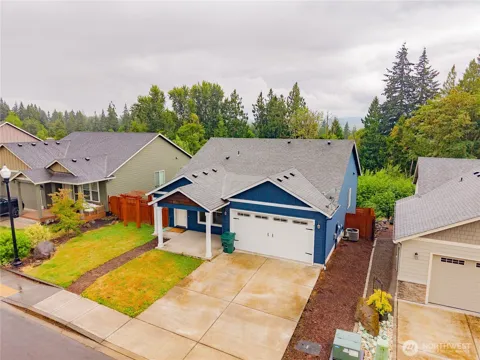
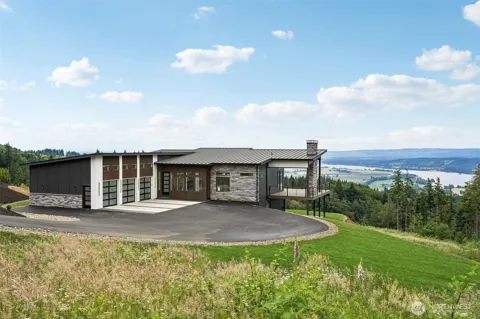
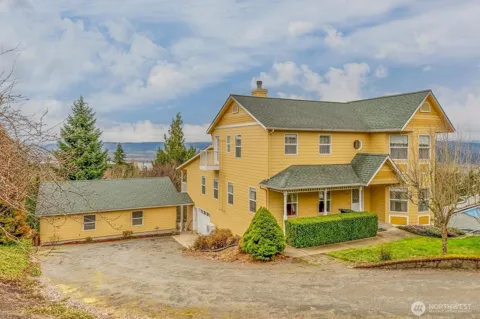
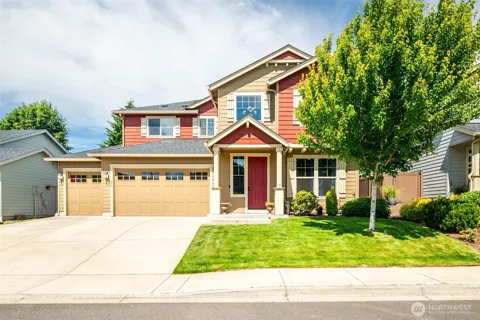
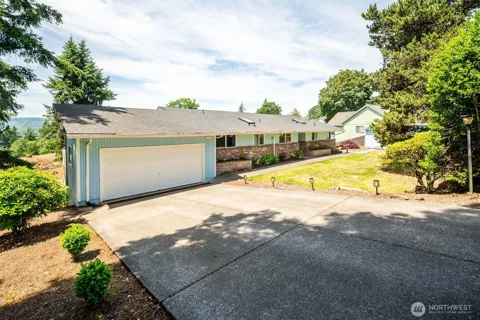
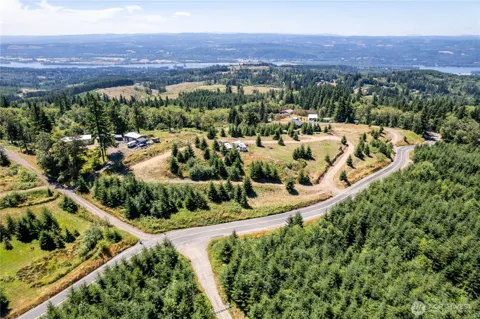
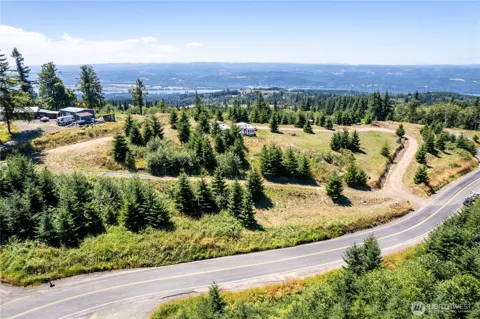
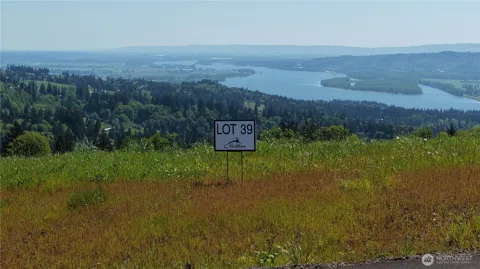
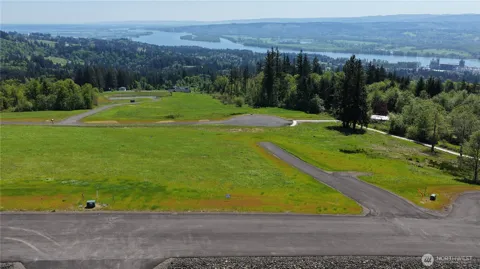
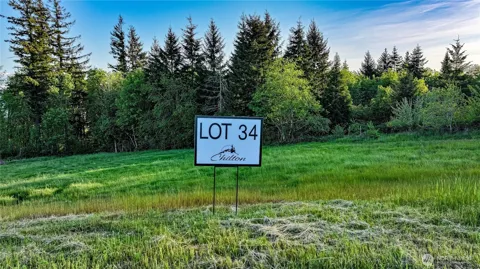
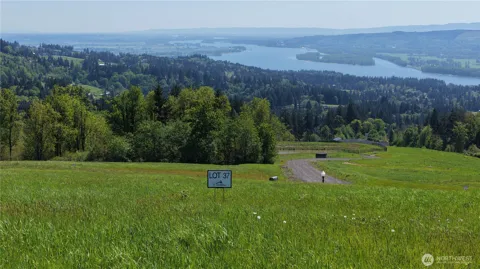
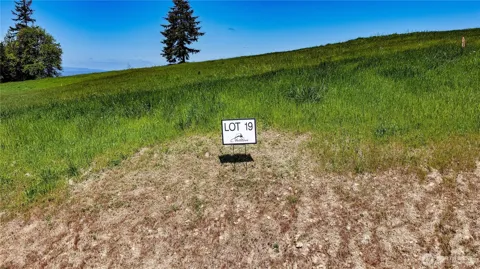
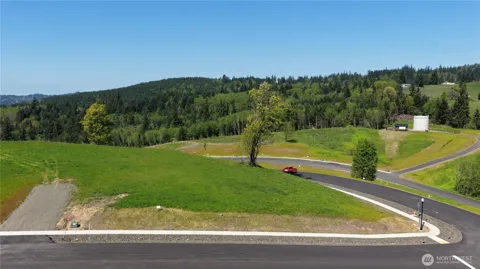
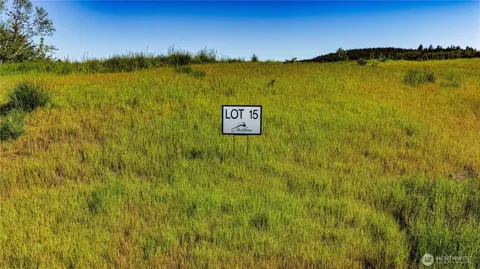
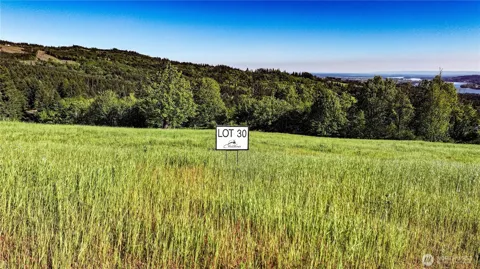
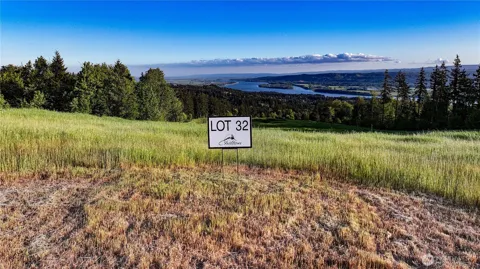
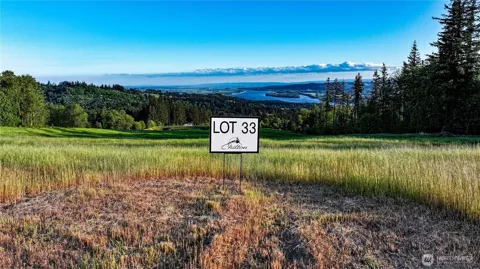
Lots & Land in Kalama, WA






MARKET SNAPSHOT
The Market at a Glance
How homes have been selling here over the last 90 days.
Price & Sales History
Market data reflects closed sales over the last 90 days and is provided for informational purposes.
Zip Codes
BROWSE BY ZIP
Browse listings by postal code in this area.
- Grid
- Map
- List

City Guide
About Kalama
Real Estate & Housing
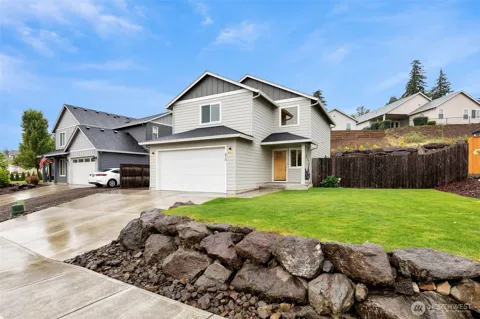
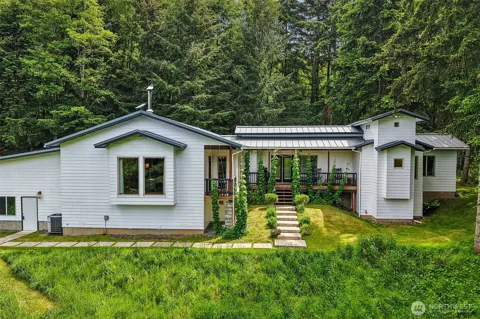
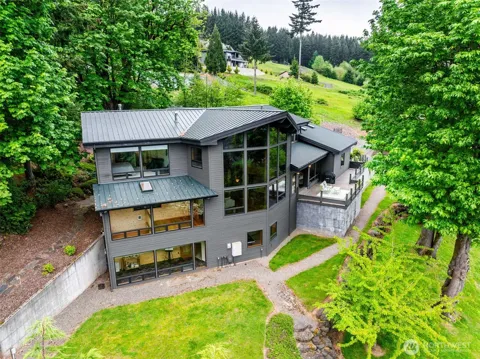
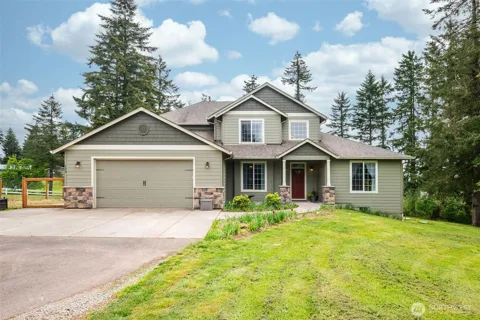
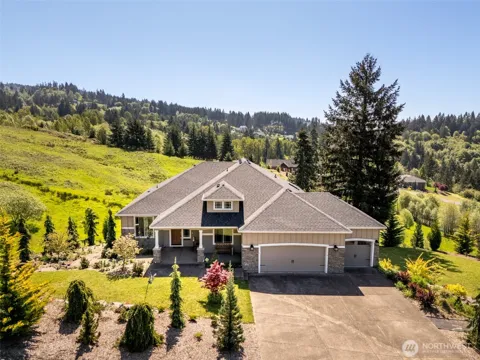
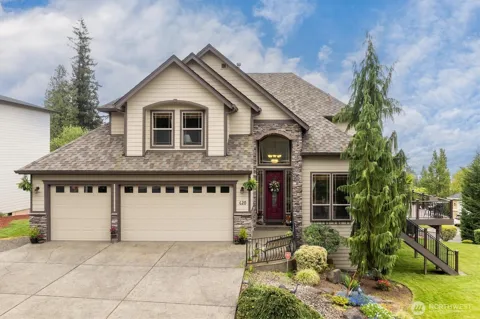
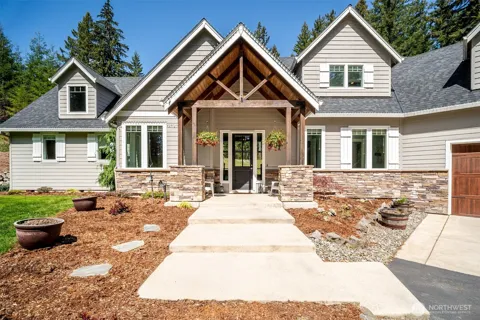
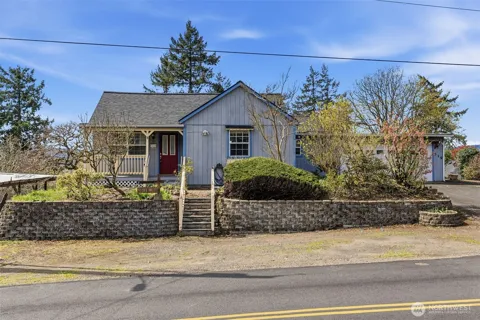
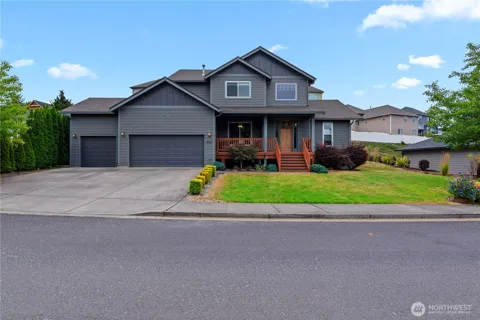
Kalama's housing stock reflects its small river-town scale and its location between Portland and the Puget Sound. The community offers modest single-family homes on established lots, many on or near the riverfront plain, with forested hills rising behind. Older homes near the downtown and river retain the town's rail-era character, while newer construction has been added as the area has grown with the port and Interstate 5 access. The market is oriented toward practical, family housing, with some river-view and hillside properties offering a premium setting. Growth is steady and modest.
Neighborhoods
Kalama's neighborhoods sit between the Columbia River and the forested hills, organized around the compact downtown and the Interstate 5 corridor. The older residential blocks near the river and the historic rail corridor hold the town's most established homes, while newer subdivisions climb toward the hills. The port and industrial waterfront occupy the river's edge, and the marina and amphitheater form a public gathering point. Because the town is small, most neighborhoods are within a short drive of the riverfront, schools, and shops.
Lifestyle in Kalama
Kalama's lifestyle blends a working waterfront with a growing river-town tourism identity. The port, marina, and industrial waterfront give the town a real, functioning economy, while the McMenamins lodge, boutique shops, restaurants, and riverfront amphitheater draw visitors and give residents a lively local scene. Fishing, boating, and kayaking on the Columbia and Kalama rivers are part of everyday life. The community is compact and neighborly, with the practical convenience of Interstate 5 access and a distinct sense of place along one of the Northwest's great rivers.
Schools & Education
The Kalama School District serves the city's public school students, operating the elementary, middle, and high schools that anchor local education. The district works closely with the Port of Kalama on community programs, including student-run initiatives tied to the local economy. The district's small scale keeps education personal and community-centered, and students benefit from the town's location between Portland and the Puget Sound, with regional colleges and universities within reach. The schools are a focal point of community life in Kalama.
Getting Around
Interstate 5 runs along Kalama, placing Portland, Oregon, to the south and the Puget Sound cities to the north within straightforward reach. The Port of Kalama operates marine terminals on the Columbia River, and the rail line that gave the town its start remains part of the transportation landscape. Local roads connect the town to the Kalama River, the marina, and the surrounding hills. For air travel and larger urban amenities, residents rely on the airports of Portland and Seattle, both accessible via the interstate corridor.
Parks & Recreation
Kalama's recreation centers on its rivers. The Columbia River offers boating, fishing, and kayaking, while the Kalama River is known for its fishing and water access. Haydu Park, on the Kalama River, provides outdoor space, and the community's marine trail links waterfront points along the Columbia. The riverfront amphitheater hosts events, and the McMenamins property and rooftop bar overlook the water. The surrounding Cowlitz County hills and forests add hiking and outdoor opportunities, and the town's position on Interstate 5 makes it a convenient base for exploring the Columbia River Gorge and Mount St. Helens.
About Kalama
Frequently asked questions
What county is Kalama, Washington in?
Kalama is in Cowlitz County, Washington, in the southwest corner of the state. It sits on the Columbia River along Interstate 5, between Portland, Oregon, to the south and the Puget Sound region to the north.
What is the history of Kalama, Washington?
Kalama was founded in the early 1870s when the Northern Pacific Railway chose the site as the terminus and headquarters for its new transcontinental line. The railroad later moved its headquarters to Tacoma, and Kalama rebuilt around its port and timber industries.
What is there to do in Kalama, Washington?
The Port of Kalama anchors Kalama's working waterfront, while a marina, amphitheater, marine trail, parks, and a McMenamins hotel and rooftop bar support recreation and tourism. Fishing, boating, and kayaking on the Columbia and Kalama rivers are part of everyday life.
What school district serves Kalama, Washington?
The Kalama School District serves Kalama's public school students across its elementary, middle, and high schools. The district works closely with the Port of Kalama on community programs, including student-run businesses tied to the local economy.
Still have questions about Kalama?
Get in touchExplore the area
