Paper Mill Town on the Columbia
Listings in Camas, WA
Welcome to Camas, a Clark County city on the Columbia River, home to a 140-year-old paper mill, a restored downtown, and the trails and lakes of Lacamas Park.
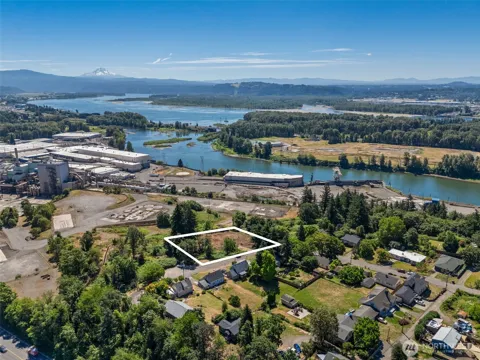
Camas is a city in Clark County, Washington, situated along the Columbia River in the state's southwestern corner, directly across from the Portland metropolitan area. It borders Washougal to the east and Vancouver to the west, forming part of a continuous urbanized corridor along the river. The city's name derives from "LaCamas," a reference to the camas lily and the region's Native American heritage; the "La" was eventually dropped to avoid confusion with La Center and La Conner. For more than a century, Camas has been defined by its paper mill. The large Georgia-Pacific mill at the west end of downtown has operated continuously for more than 140 years, and it gave Camas High School its sports nickname, the Papermakers. The mill's water supply is carried by a 7,000-foot aqueduct built from Round Lake to the mill site—locally known as the "mill ditch"—which remains in use more than a century later, a testament to the city's industrial continuity. Today Camas is far more than a mill town. Its historic downtown has been revitalized into a walkable district of shops, restaurants, and community events, and the city has grown to a population of roughly 26,000. Recreation centers on Lacamas Park, a 312-acre park with Lacamas Lake and Round Lake offering fishing, hiking, and wildlife viewing, connected to the Lacamas Heritage Trail along the lake's south shore and a six-mile network of scenic trails. Camas is consistently recognized as one of the best places in Clark County to raise a family, a reputation built on strong schools, a family-oriented community, and abundant outdoor access. Its location between Vancouver and Washougal places residents within commuting distance of both the Portland metro and the Columbia River Gorge, making Camas a distinctive blend of industrial heritage, small-town charm, and Pacific Northwest recreation.

Get more information about Camas
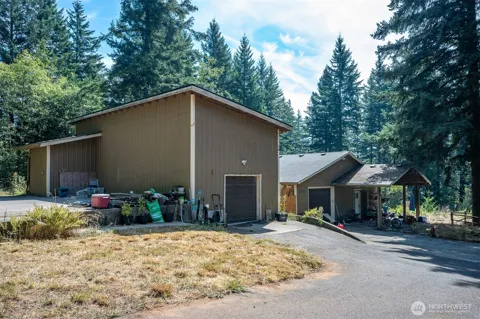
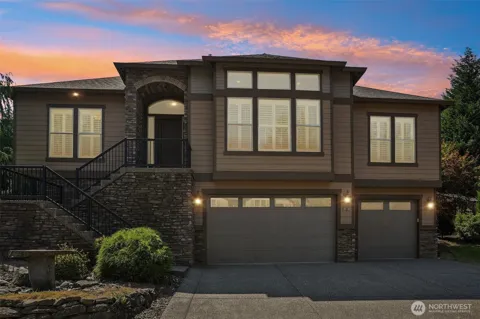
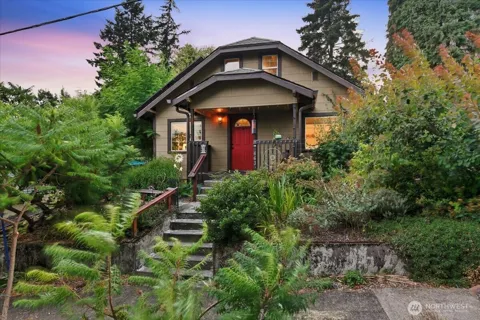
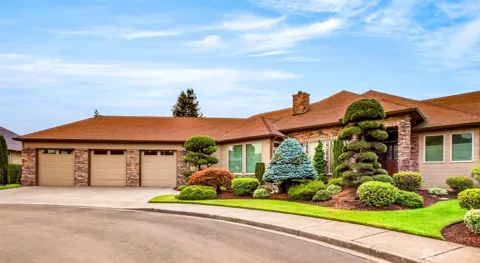
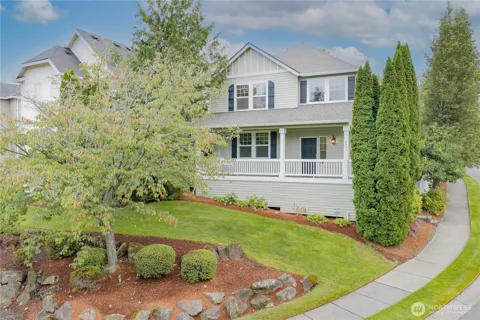
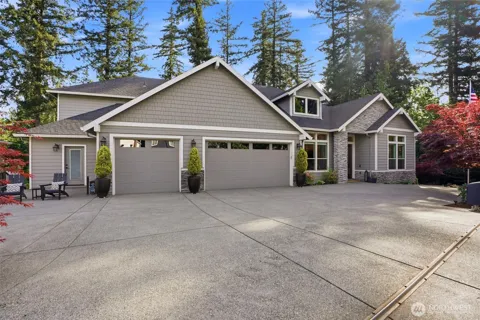
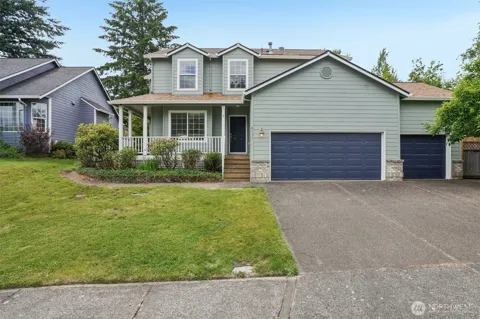
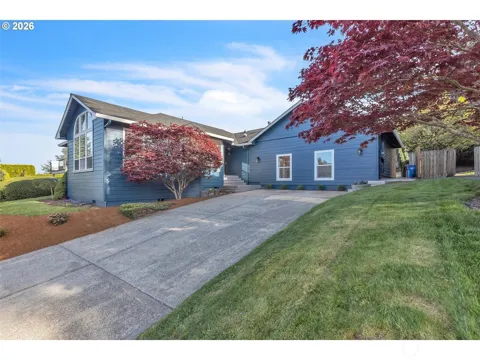
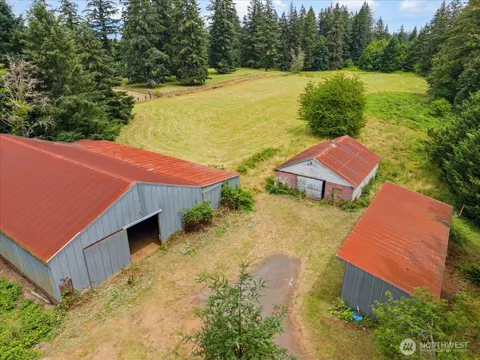
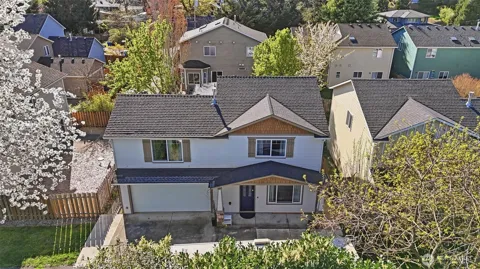
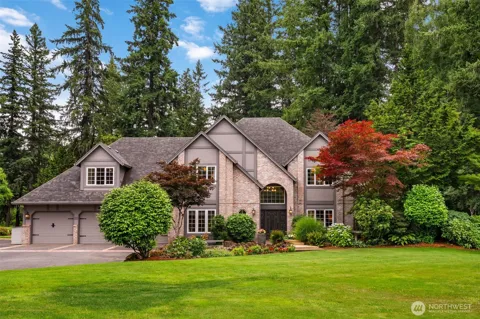
Houses in Camas, WA

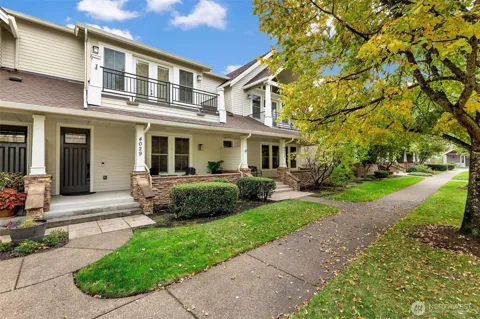
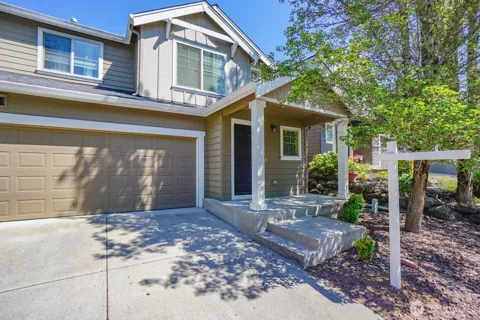
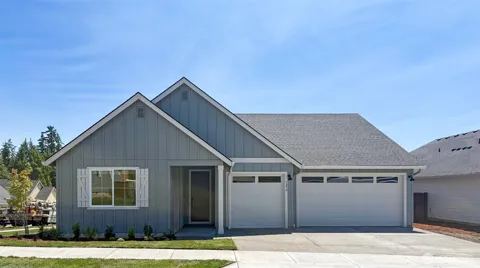
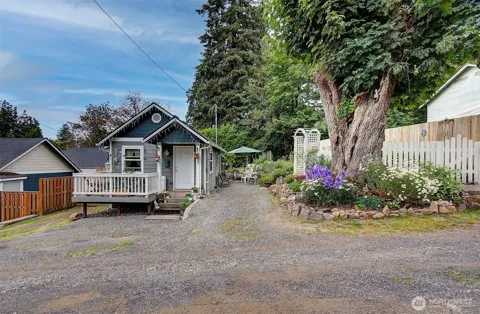
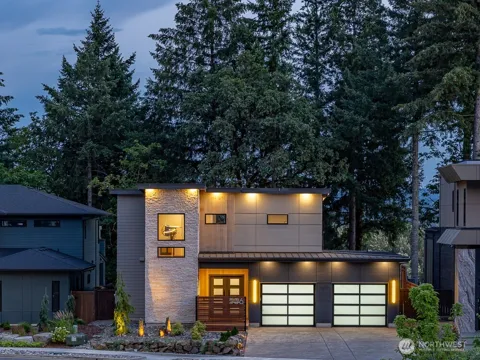
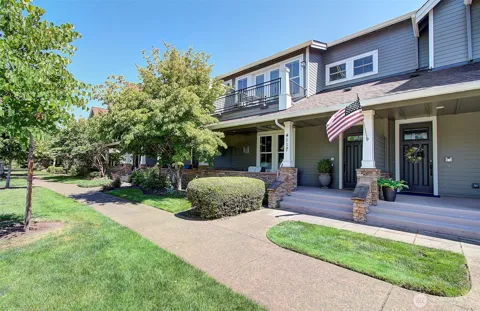
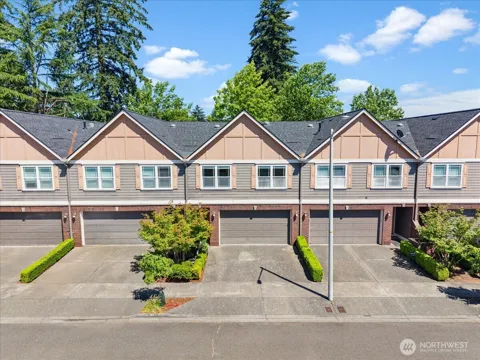
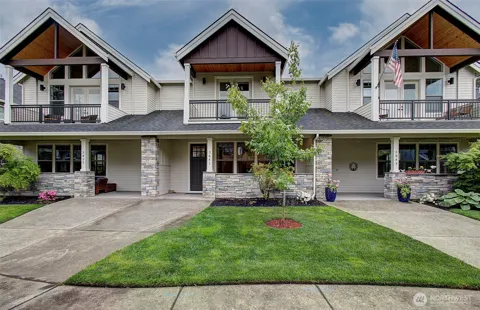
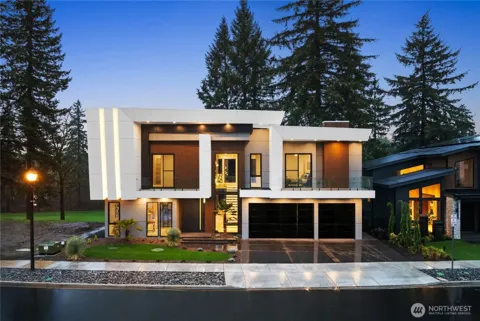
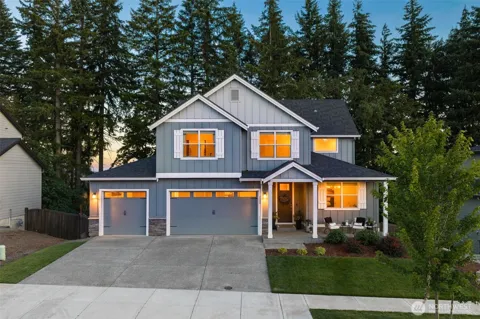
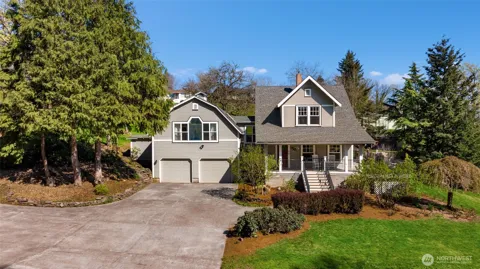
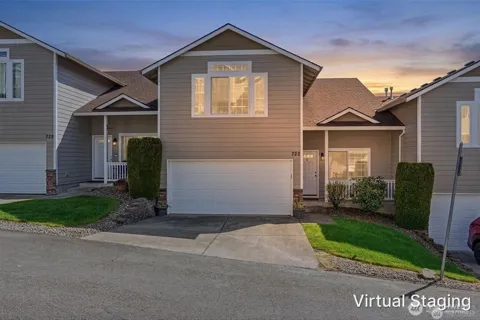
Townhouses & Duplexes in Camas, WA
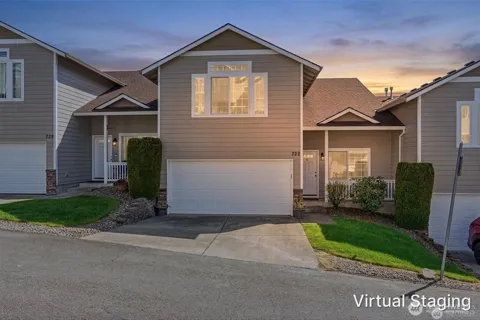
Condos & Apartments in Camas, WA
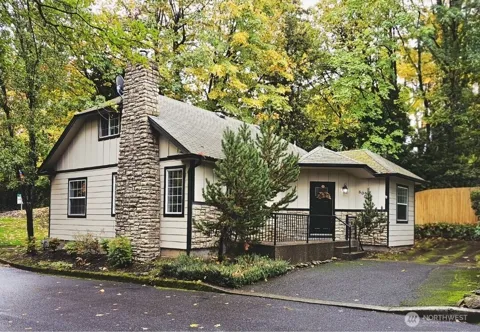
For Rent in Camas, WA
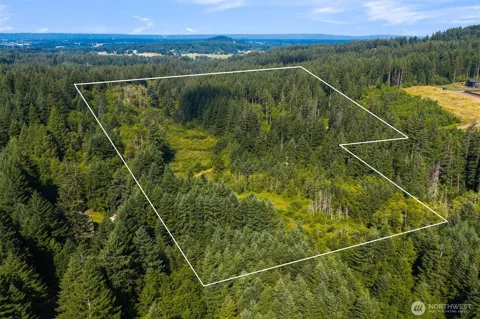
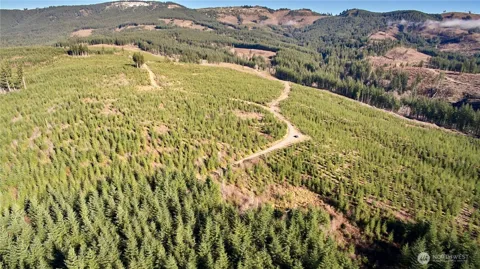
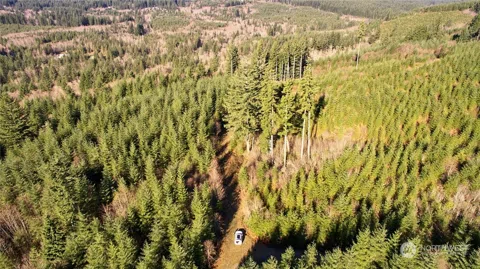
Lots & Land in Camas, WA
MARKET SNAPSHOT
The Market at a Glance
How homes have been selling here over the last 90 days.
Price & Sales History
Market data reflects closed sales over the last 90 days and is provided for informational purposes.
Zip Codes
BROWSE BY ZIP
Browse listings by postal code in this area.
- Grid
- Map
- List
City Guide
About Camas
Real Estate & Housing
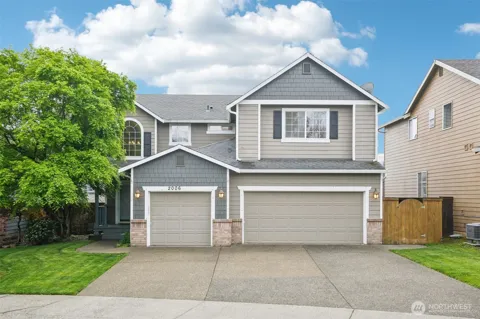
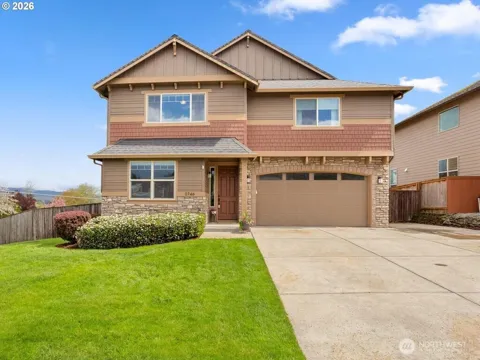
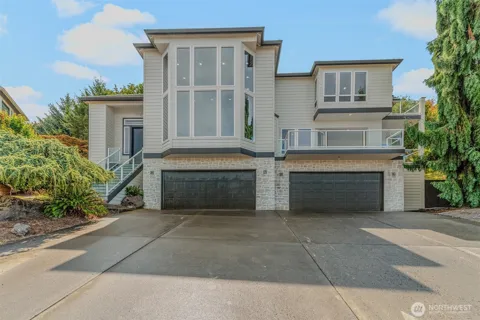
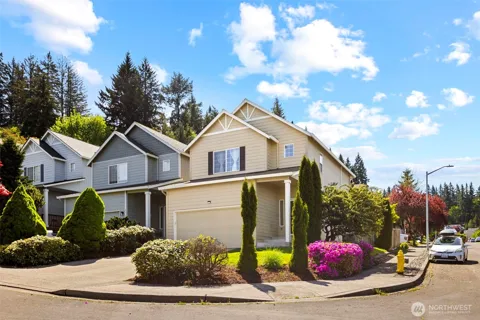
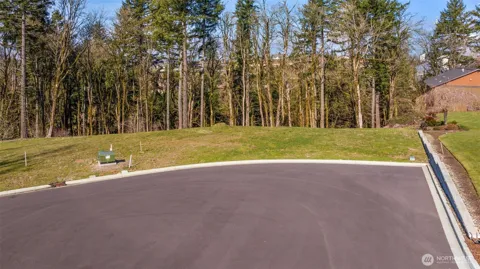
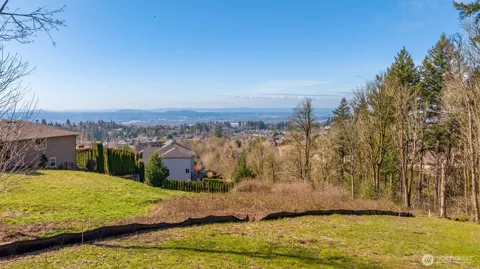
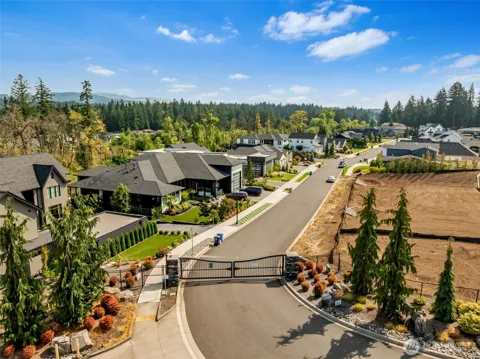
Camas' housing stock reflects its evolution from a mill town into a desirable Portland-area suburb. The city includes older, well-kept homes near its historic downtown and the mill, alongside newer single-family subdivisions in the hills above Lacamas Lake and across the city's growing residential areas. The mix of established character neighborhoods and newer construction gives buyers a range of options, from early twentieth-century houses to contemporary family homes. Camas' strong schools and its proximity to both Vancouver and Portland have made it a sought-after market, with a settled, family-oriented housing landscape that balances heritage and growth.
Neighborhoods
Camas' neighborhoods cluster around its historic downtown and the paper mill at the west end of the central district, then spread into the surrounding hills and lakefront areas. The downtown area retains a classic Main Street character, while residential streets climb toward Lacamas Lake and the newer developments that ring the city. The lake and its parks—Lacamas Park, Lacamas Regional Park, and the Lacamas Heritage Trail—anchor the eastern portion of the community, giving many neighborhoods access to trails and open space. This layering of a historic core, lakefront recreation, and newer hillside subdivisions defines Camas' neighborhood character.
Lifestyle in Camas
Life in Camas blends small-town character with the amenities of the Portland–Vancouver metropolitan region. The restored downtown, with its shops, restaurants, and community events, is a gathering place for residents, while the paper mill remains both a visual landmark and a symbol of the city's industrial heritage. The community is family-oriented, consistently ranked among the best places in Clark County to raise a family, and outdoor recreation is woven into daily life through Lacamas Lake and the surrounding parks. Camas offers a balanced lifestyle: a historic, walkable downtown, strong schools, and ready access to the Columbia River and the broader Northwest.
Schools & Education
Camas is served by the Camas School District, a well-regarded system whose high school carries the distinctive Papermakers nickname—a direct reference to the city's paper mill heritage. The district's strong reputation is a major factor in Camas' recognition as one of the best places to raise a family in Clark County, and its schools anchor the community's family-oriented identity. With schools distributed across the city and a focus on academic and extracurricular programs, the Camas School District plays a central role in attracting families and sustaining the city's residential character.
Getting Around
Camas is connected to the broader Portland–Vancouver region by State Route 14, which runs along the Columbia River and links the city to Vancouver to the west and Washougal and the Columbia River Gorge to the east. The city's position on the Oregon border places it within commuting distance of Portland, with Interstate 205 and the region's highway network providing access across the river. As a growing Clark County suburb, Camas is primarily automobile-oriented for regional travel, while its compact downtown and lakeside trail network support walking and cycling for local trips.
Parks & Recreation
Recreation in Camas centers on Lacamas Lake and its surrounding parks. Lacamas Park, a 312-acre area, offers fishing for bass, bluegill, and perch in Round Lake, along with hiking, bird-watching, and wildlife viewing. The Lacamas Heritage Trail follows the south shore of Lacamas Lake, and the broader trail network—about six miles of scenic paths—connects the lake to the city and surrounding areas, supporting walking, running, cycling, kayaking, and paddleboarding. The city's parks and recreation department also programs concerts, movies in the park, and seasonal events, giving residents year-round recreational options in a lake-centered, outdoors-oriented setting.
About Camas
Frequently asked questions
What county is Camas, Washington in?
Camas is in Clark County, Washington, in the southwestern part of the state along the Columbia River. It borders the city of Washougal to the east and Vancouver to the west, directly across the river from the Portland, Oregon metropolitan area.
What is Camas, Washington known for?
Camas is known for its large Georgia-Pacific paper mill, located at the west end of downtown and in operation for more than 140 years. The mill gives Camas High School its sports nickname, the Papermakers.
What parks are in Camas, Washington?
Camas is home to Lacamas Park, a 312-acre park with fishing, hiking, and recreation around Lacamas Lake and Round Lake, plus a six-mile network of scenic trails connecting to the Lacamas Heritage Trail.
Still have questions about Camas?
Get in touchExplore the area
